Description
From the Achaemenid period, particularly between circa 800-500 BC, numerous luxury vessels and ritual objects such as wine bowls are depicted in reliefs and artifacts recovered from excavations. These portrayals suggest that artisans began by shaping the vessel from a solid mass of silver, using a combination of chasing, hammering, and possibly casting techniques. The process would have involved roughing out the basic form, which was likely then refined through meticulous hammering and filing to achieve a symmetrical and balanced shape.
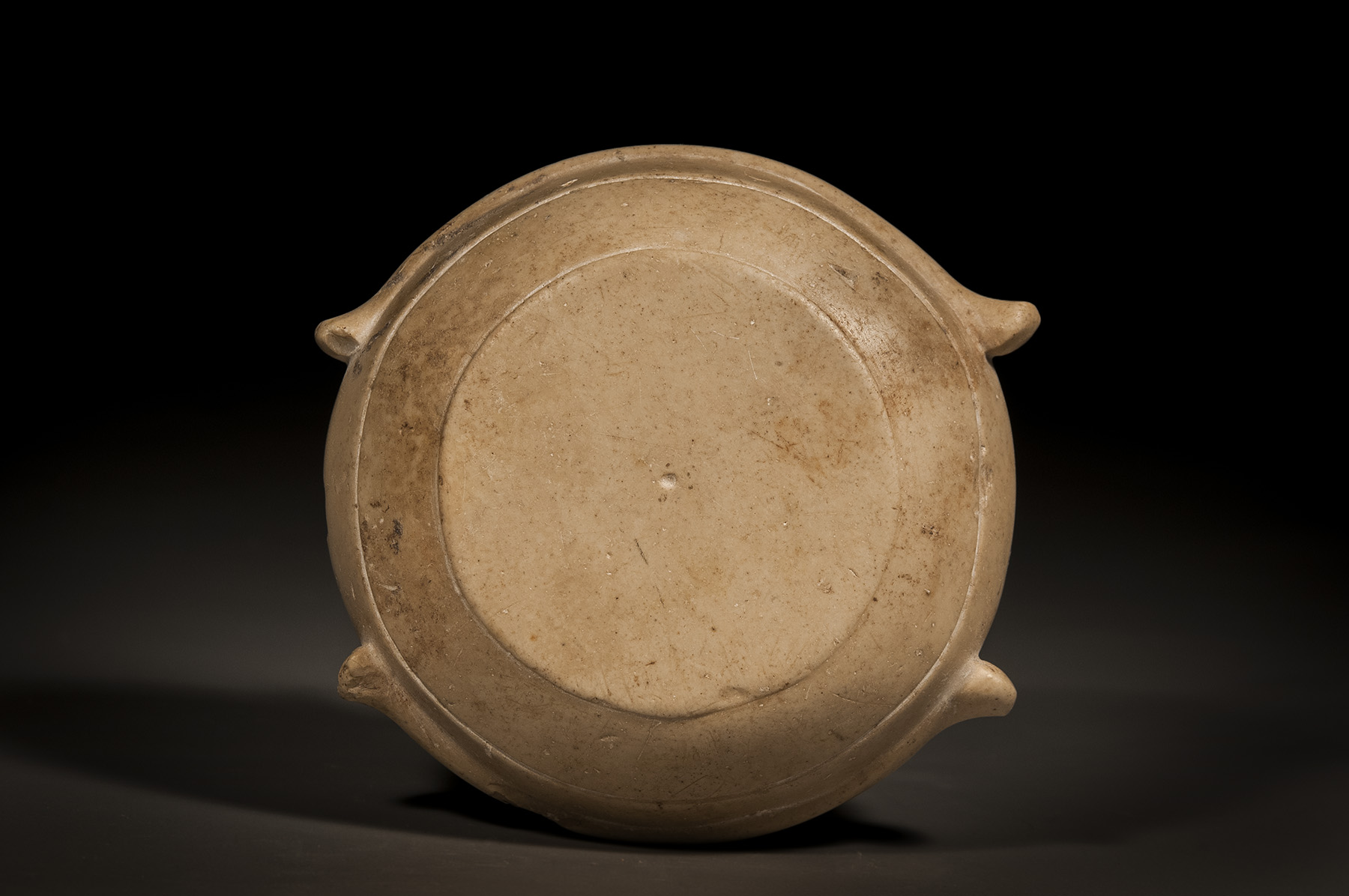
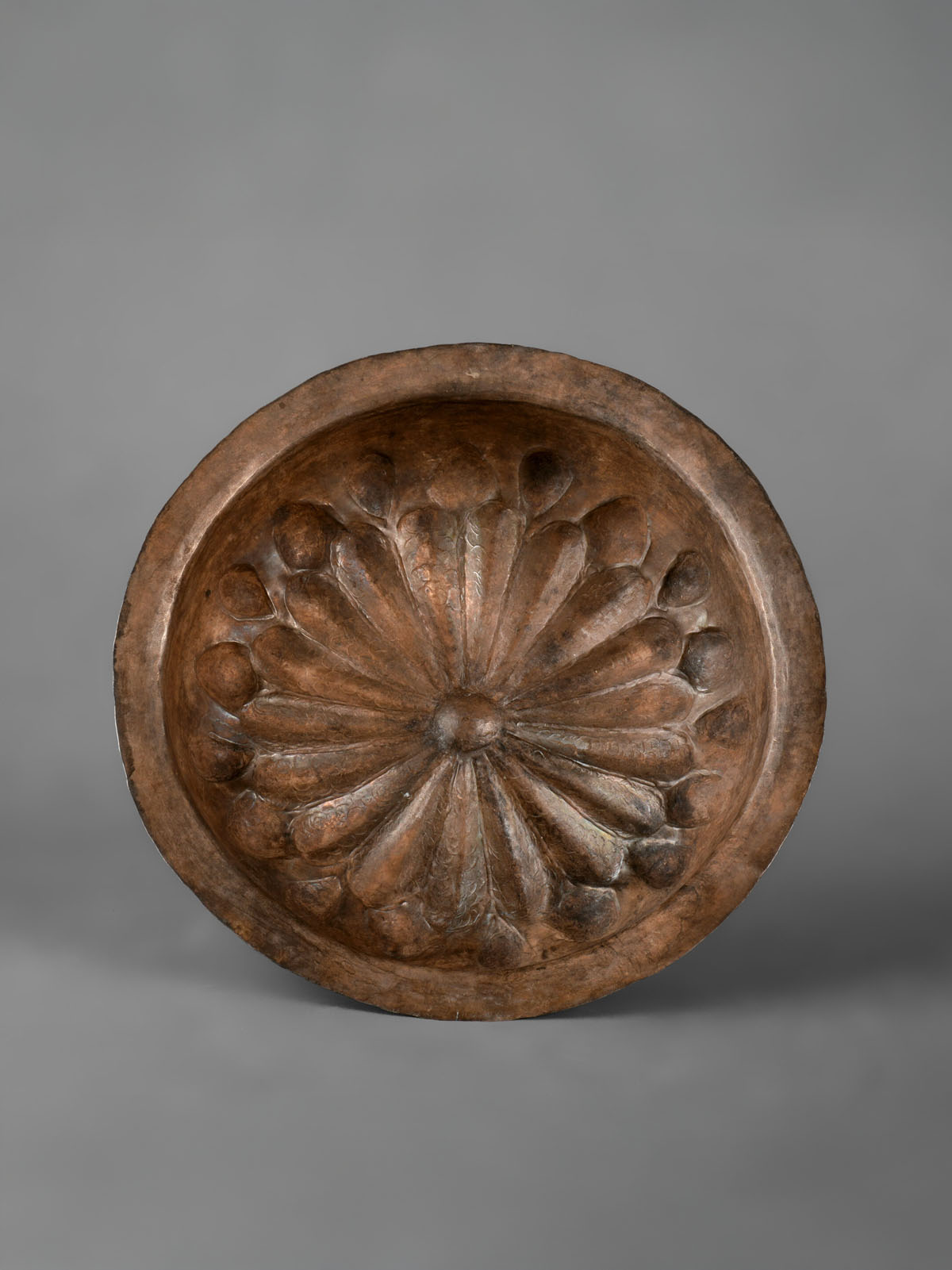
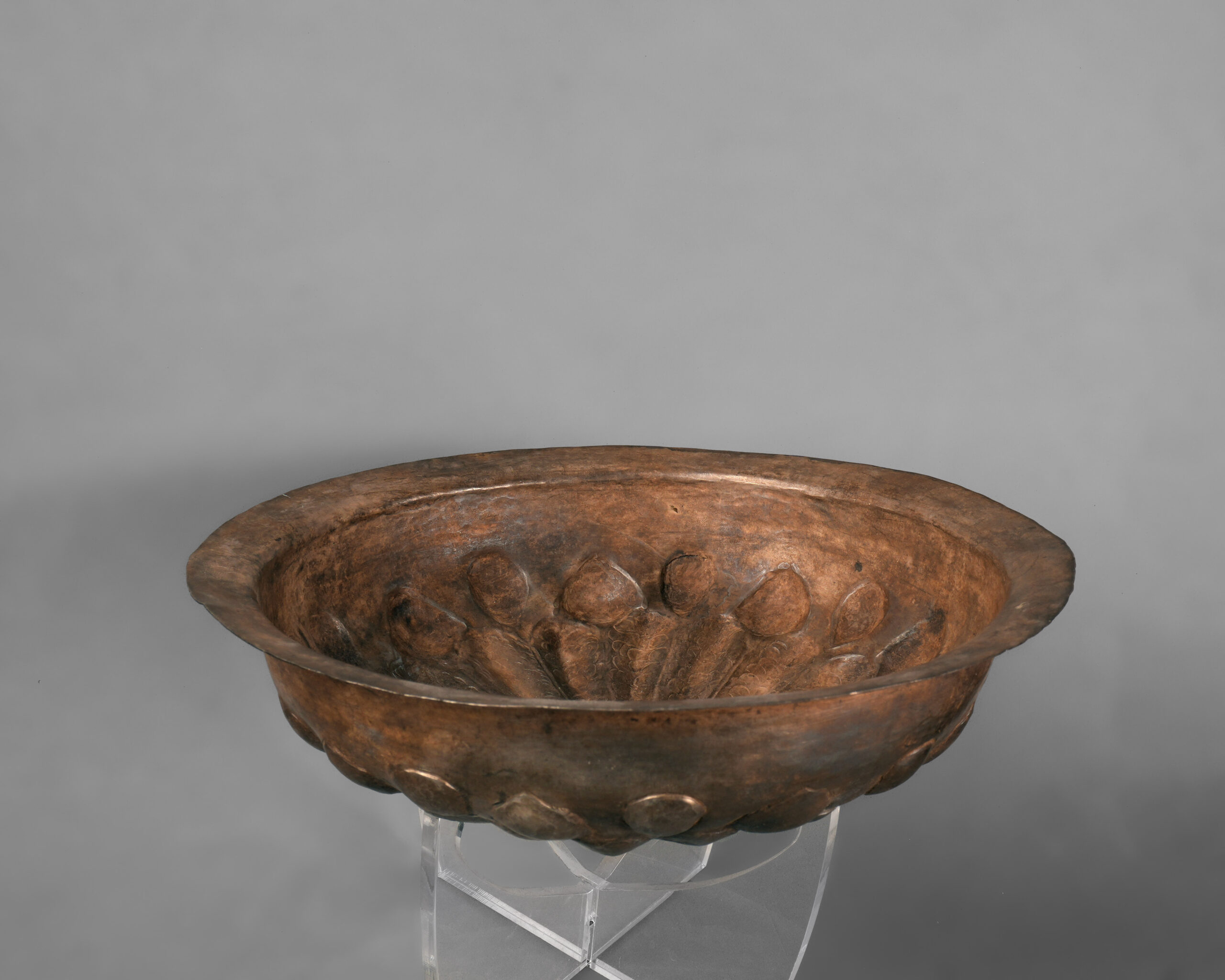
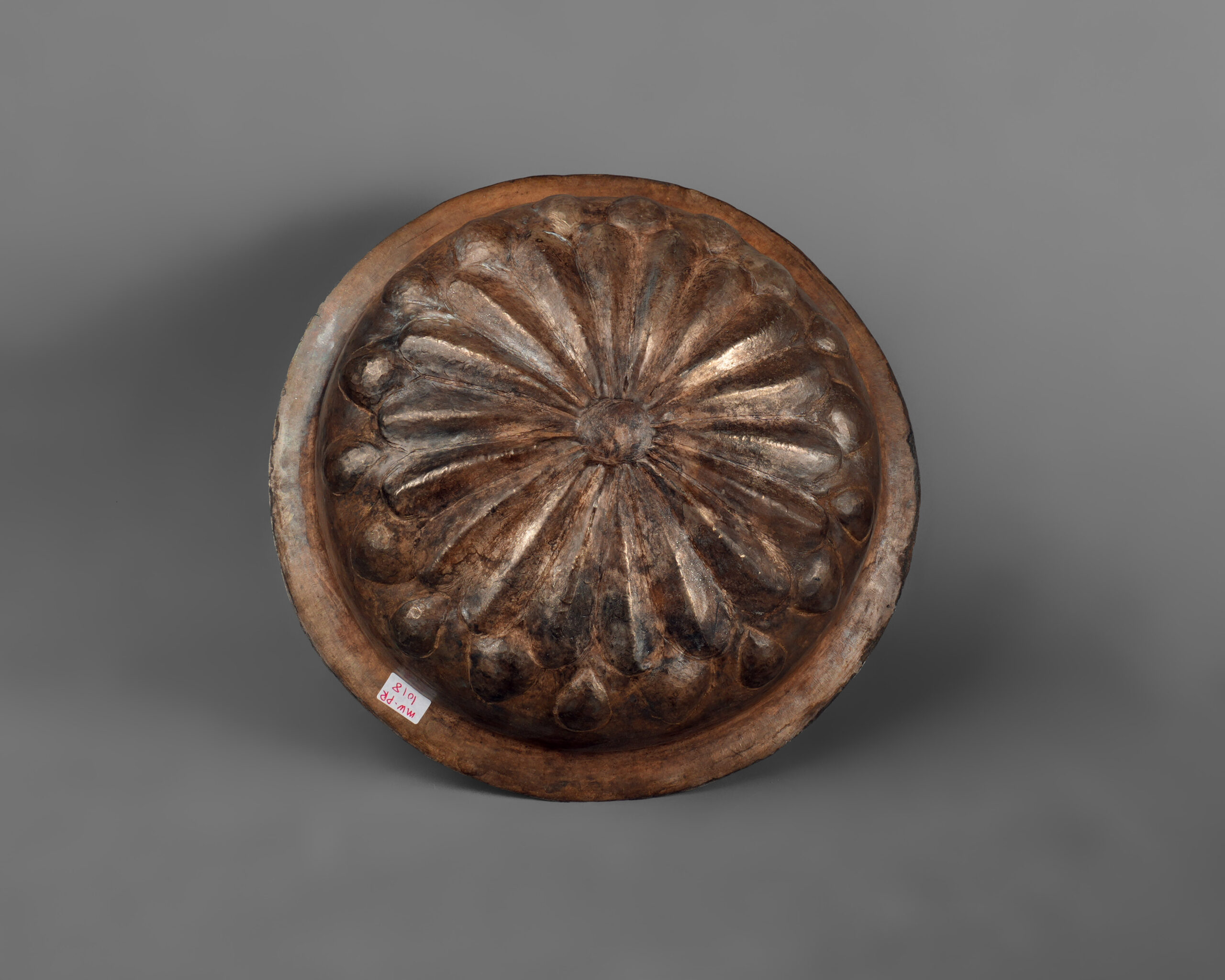
The large wine bowl in question exhibits a broad, rounded profile with a wide opening, designed to facilitate the pouring and serving of wine during banquets or ceremonial occasions. Its surface is decorated with intricate engraved motifs, which may include geometric patterns, stylized florals, or mythological symbols, indicative of the sophisticated ornamentation favored by Achaemenid artisans. These engravings would have been executed with precise metal tools, emphasizing symmetry and aesthetic harmony.
This vessel was crafted from silver, a metal highly prized in Persian courtly culture for its brilliance and symbolic association with purity and wealth. The silvery sheen and fine workmanship would have signified the high status of its owner, most likely a noble or a member of the royal court. The rim of the bowl is reinforced and slightly everted, suggesting a functional consideration to prevent damage and facilitate handling.
The craftsmanship and fine detailing of this bowl reflect a high level of technological skill, characteristic of the Achaemenid metallurgists. Such a substantial vessel was probably used in prestigious contexts, including royal banquets or religious rituals, serving both a utilitarian and decorative purpose.
REFERENCE #
MW-PR-1018
CIVILIZATION
Persian, Iron Age
CIRCA 800 B.C.E. – 500 B.C.E.
SIZE
DIAMETER. 22cm, HT. 7cm
CONDITION
Fine condition.
PRICE
$8500
Provenance
Jerusalem Private Collection
Frequently Asked Questions
The Achaemenid silver wine bowl was crafted from silver, a metal highly prized in Persian courtly culture for its brilliance and symbolic association with purity and wealth. The use of silver highlighted the high status of the owner and the bowl's ceremonial importance.
Artisans shaped the vessel from a solid mass of silver using a combination of chasing, hammering, and possibly casting techniques. The process involved roughing out the basic form followed by meticulous hammering and filing to achieve a symmetrical and balanced shape, along with precise engraving for decoration.
The engraved motifs, which may include geometric patterns, stylized florals, or mythological symbols, reflect the sophisticated ornamentation favored by Achaemenid artisans. These designs emphasize symmetry and aesthetic harmony, enhancing the bowl's decorative and symbolic value.
The large silver wine bowl was probably used in prestigious contexts such as royal banquets or religious rituals. It served both utilitarian functions for pouring and serving wine and decorative purposes, reflecting the high status of its owner.
The wine bowl measures 22 cm in diameter and 7 cm in height. It is noted to be in fine condition, indicating it has been well-preserved since its creation during the Iron Age Persian period.
The rim of the bowl is reinforced and slightly everted, which helps prevent damage and facilitates handling. This design consideration reflects the artisans' attention to both aesthetic and practical aspects of the vessel.
The fine detailing and high level of technological skill evident in the bowl's craftsmanship demonstrate the advanced metallurgical techniques of Achaemenid artisans. Their expertise allowed them to create substantial, symmetrical, and intricately decorated vessels for elite use.