Description
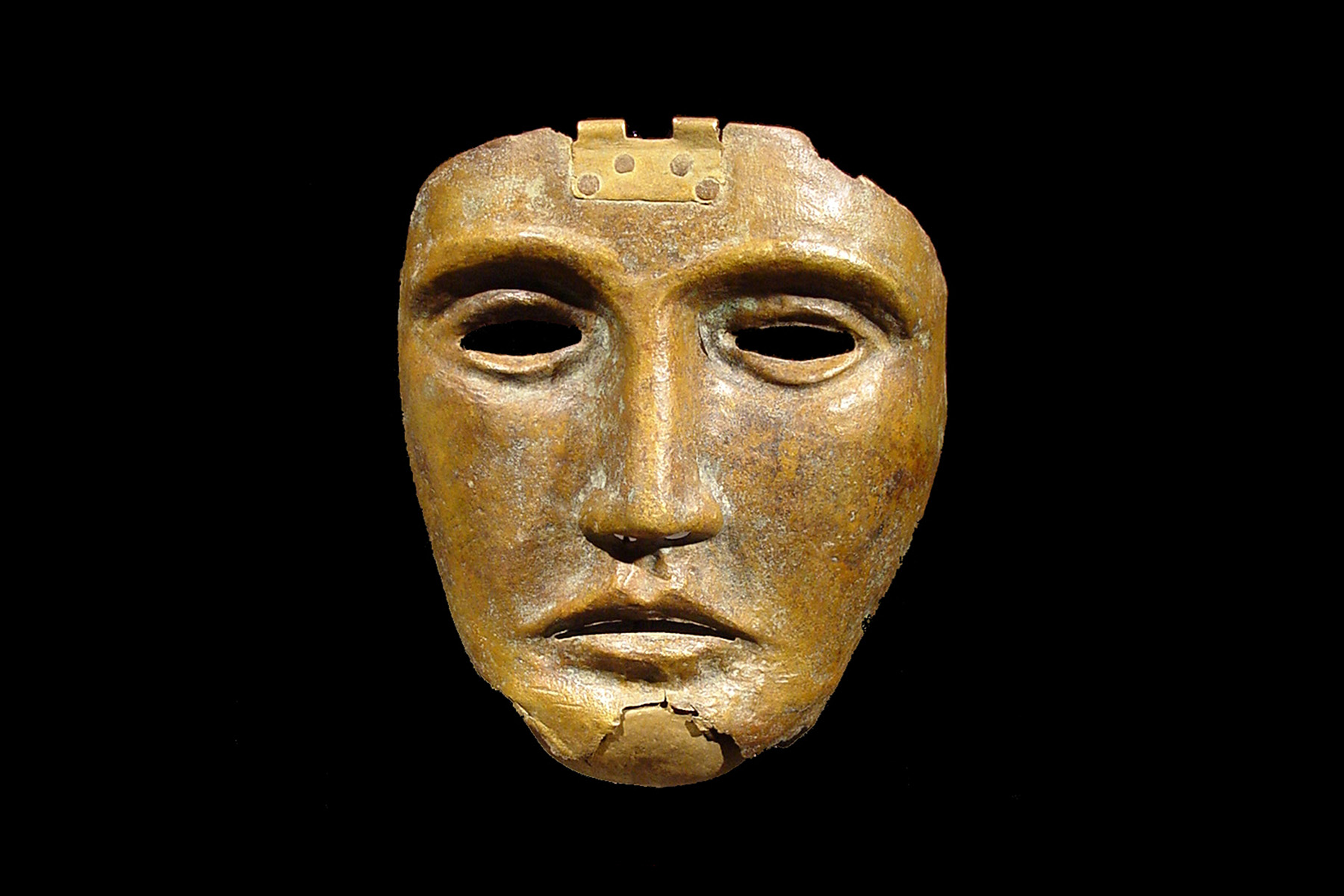
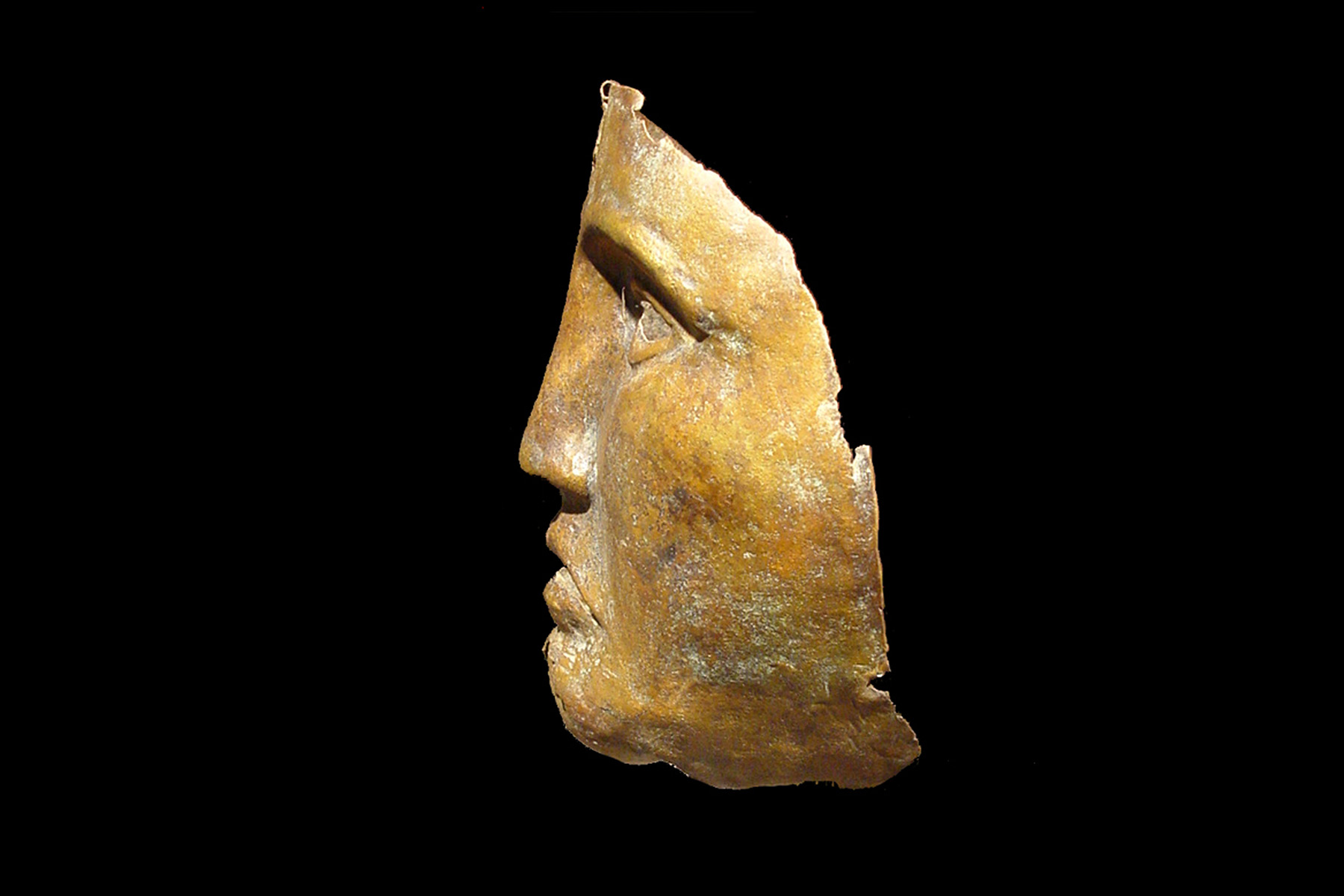
This Roman bronze parade mask was dredged from the bottom of the river Maas in The Netherlands, a unique find that speaks to Ancient Rome’s dominion across Europe’s northern reaches. This mask was forged to the likeness of the cavalry officer to whom it belonged, worn during the formal military parades with great pride.
These masks were often worn for ceremonial purposes, as they would have been highly impractical for actual combat. There is a latch on the helmet’s forehead indicating that this mask was once connected to a helmet of similar material. These masks were often used in displays of professionalism known as hippika gymnasia, or cavalry sports, a precursor to the celebrated jousts and games of merit during medieval times. Although small part of the chin is missing, this piece is in excellent condition and has been carefully cared for since its discovery over five decades ago.
REFERENCE #
SI_RM_1062
CIVILIZATION ROMAN,
100 C.E. – 200 C.E.
SIZE
H.14.5 cm
CONDITION
Fine condition
PRICE
Sold
PROVENANCE
Ex collection P. Arts. The Netherlands. This object was dredged in the 1960’s out of the river Maas in the surroundings of Maren/Kessel, province Noord Brabant, The Netherlands, acquired from the children of the dredger.
Frequently Asked Questions
The Roman bronze parade mask was dredged from the bottom of the river Maas in The Netherlands, specifically from the surroundings of Maren/Kessel in the province of Noord Brabant. It dates back to between 100 C.E. and 200 C.E., reflecting Ancient Rome's influence in northern Europe.
This mask was primarily used for ceremonial purposes during formal military parades. It was worn by cavalry officers to display professionalism and pride, especially during events known as hippika gymnasia, which were cavalry sports and precursors to medieval jousting tournaments.
No, the mask was highly impractical for combat and was not intended for battle. Its main function was ceremonial, serving as part of formal displays and military parades rather than active warfare.
There is a latch located on the forehead of the mask, which indicates that it was once attached to a helmet made of similar material. This connection would have helped secure the mask during ceremonial use.
The mask is in fine condition despite a small part of the chin being missing. It measures 14.5 cm in height and has been carefully preserved since its discovery over fifty years ago.
Hippika gymnasia were cavalry sports in Ancient Rome that showcased the skills and professionalism of cavalry officers. These events were precursors to medieval jousts and games of merit, and the mask was worn during such displays to enhance the ceremonial appearance of the cavalry.
The mask was dredged from the river Maas in the 1960s and was part of the ex-collection of P. Arts in The Netherlands. It was acquired from the children of the dredger who originally found it, ensuring a well-documented provenance.