Description
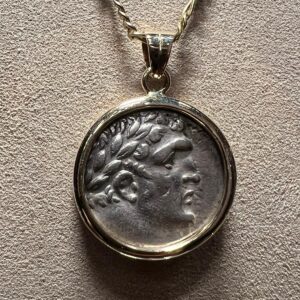
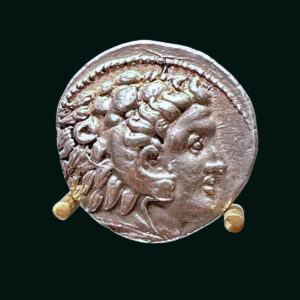
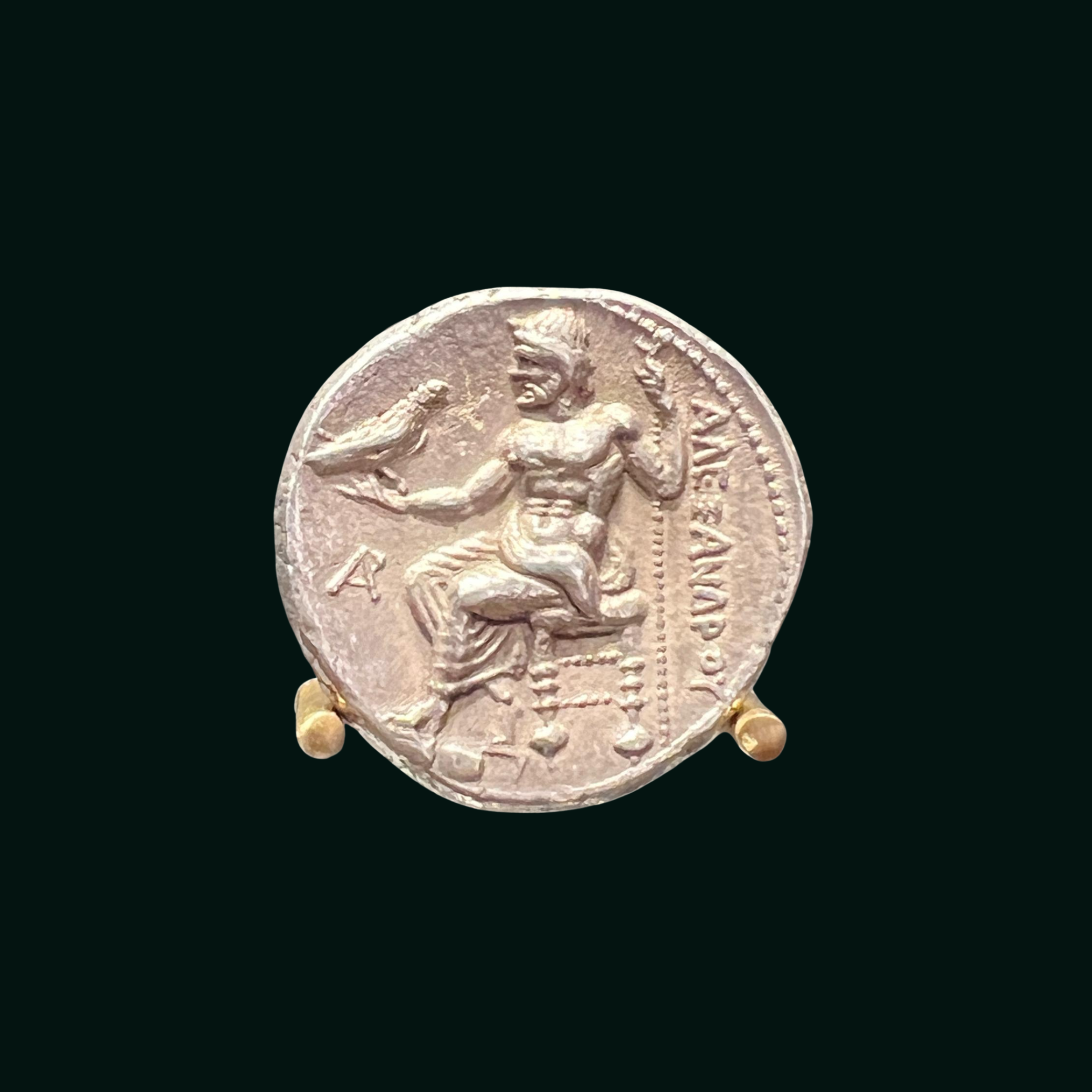
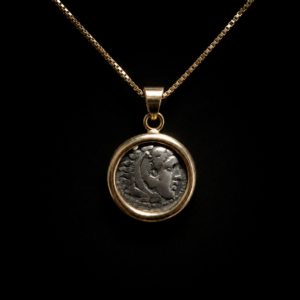
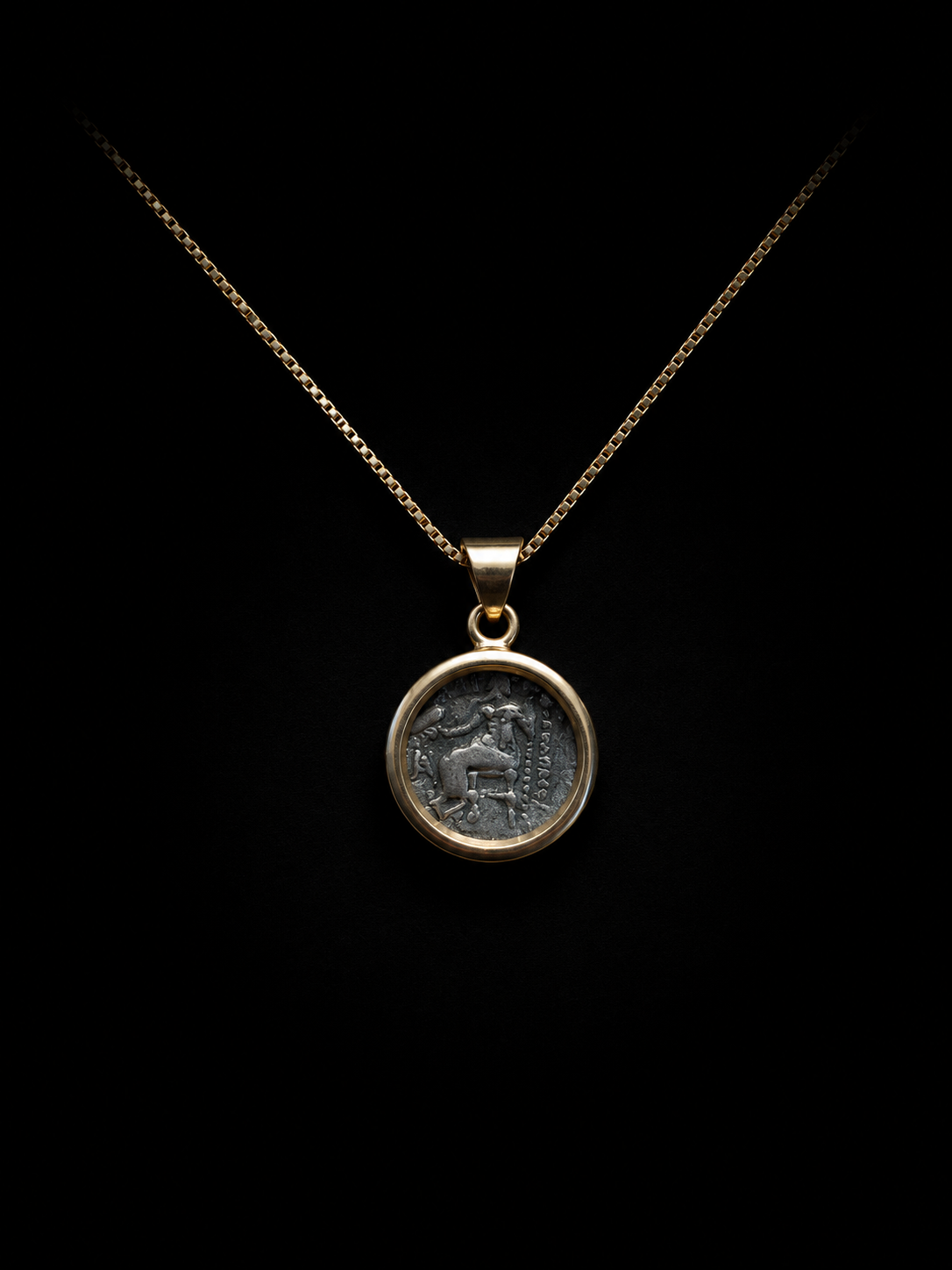
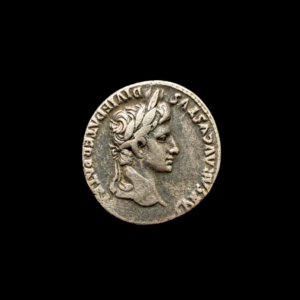
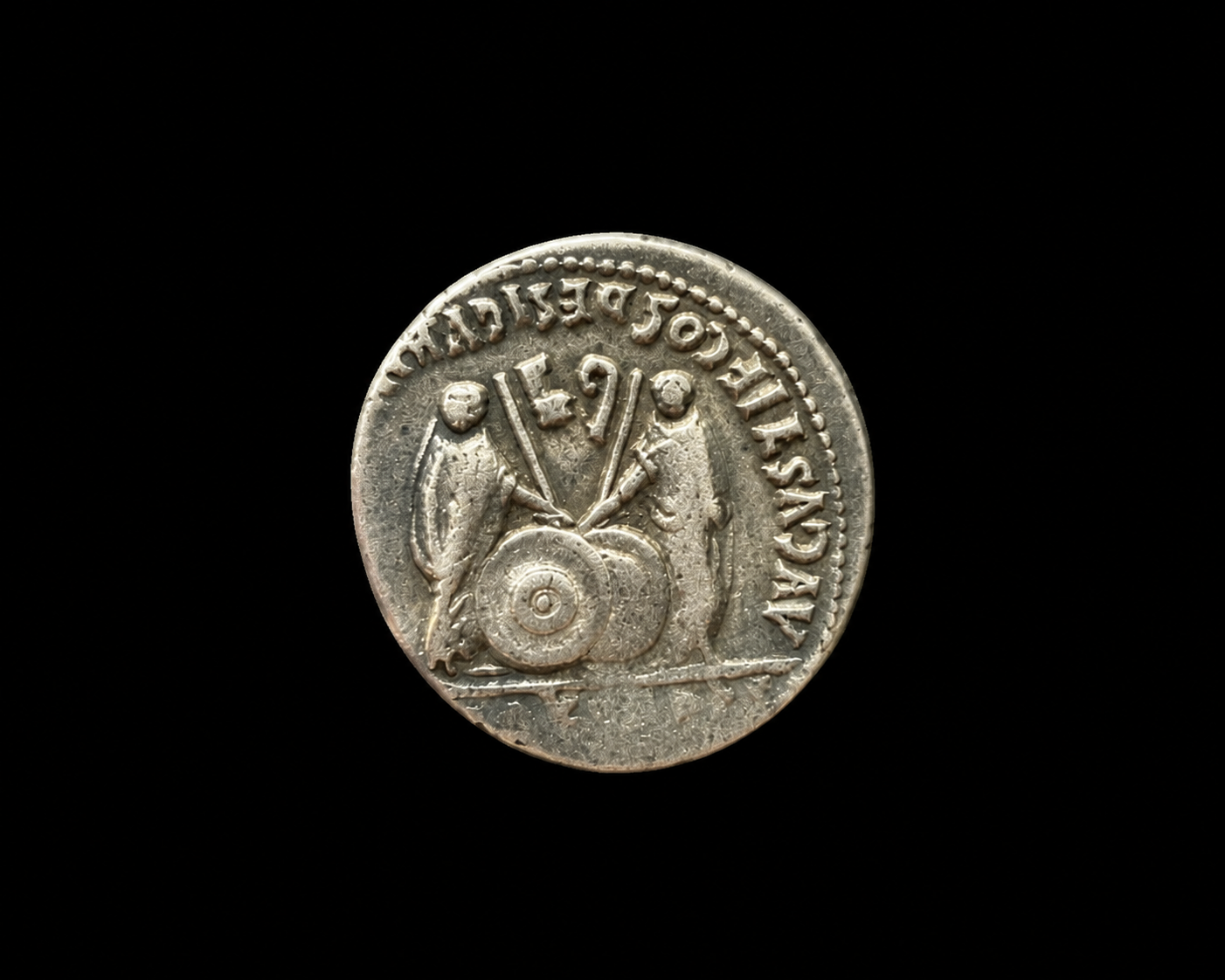
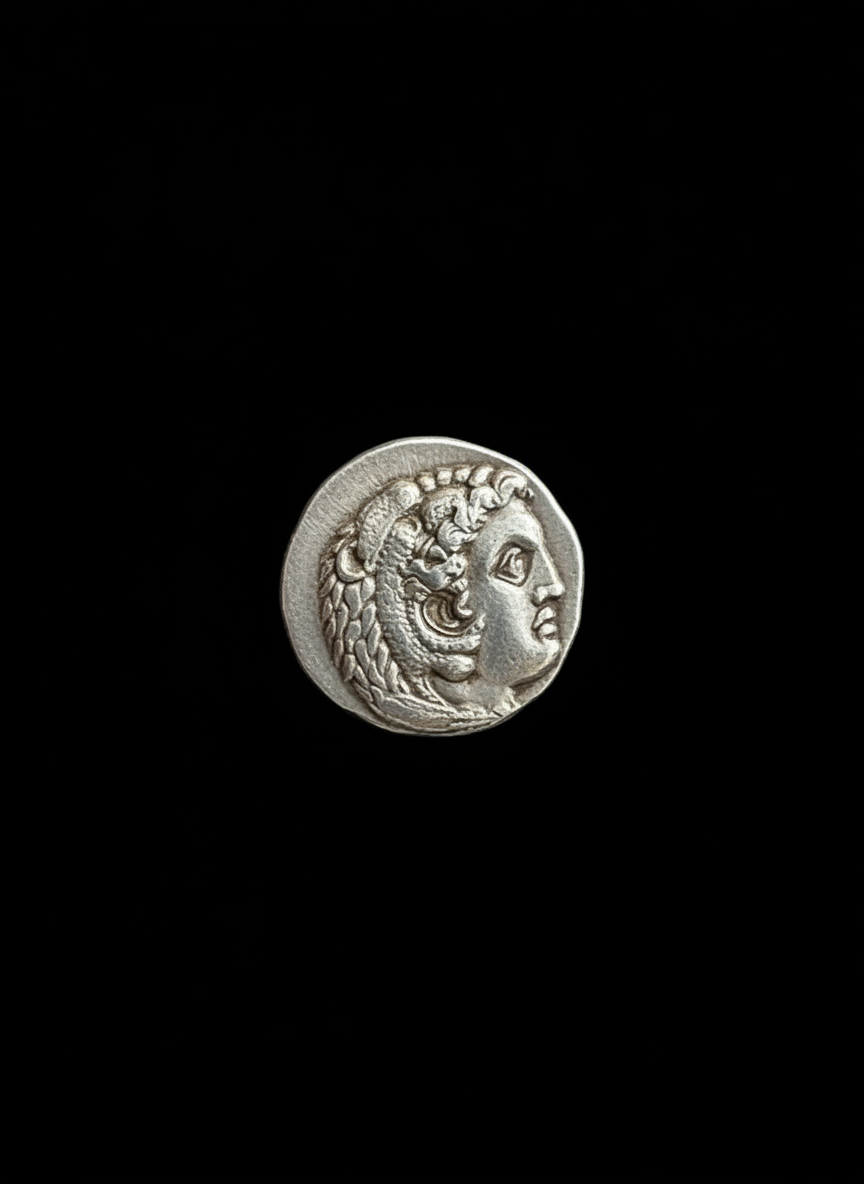
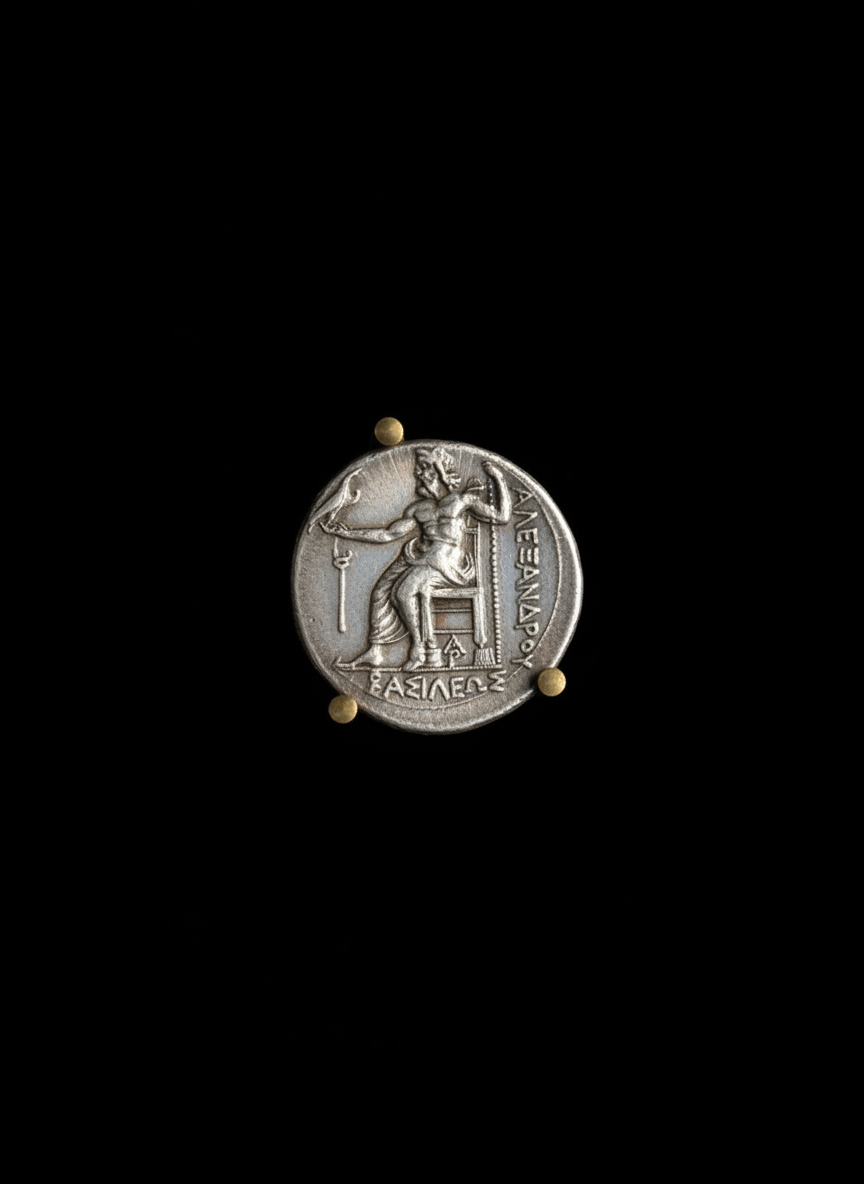
The obverse presents the head of Herakles in profile, facing right, crowned with the pelt of the Nemean lion — the beast’s paws knotted beneath the hero’s chin, its mane rendered in fine, individuated locks falling across the brow. Beneath the lion skin, Herakles’ own hair curls loosely at the forehead, lending the portrait a youthful, idealized cast. The die-cutting is confident and detailed, with strong relief still visible despite wear consistent with genuine ancient circulation. The reverse typically depicts Zeus enthroned, holding an eagle and scepter, flanked by the legend ΑΛΕΞΑΝΔΡΟΥ (“of Alexander”).
When Alexander III of Macedon began his conquests in 336 BCE, he expanded a coinage system on the Attic standard that let his silver circulate seamlessly across the Greek world and the territories he conquered. The tetradrachm’s chief purpose was fiscal and military: paying the vast army that carried Macedonian rule from Greece to India, much of it struck from bullion seized from Persian treasuries at Susa, Persepolis, and Babylon. It also carried ideological weight — pairing Herakles with Zeus asserted Alexander’s divine and heroic lineage, making the coin a portable statement of royal legitimacy.
Long after Alexander’s death in 323 BCE, his successors and Hellenistic mints continued striking tetradrachms of this type for well over a century, as its trusted weight and purity gave it the status of an international currency across the Mediterranean and Near East. Coins of this type therefore range considerably in date and mint, typically attributed through mint marks, monograms, and reverse stylistic details.
REFERENCE #
CO-GR-1003
CIVILIZATION
Macedonia, ca. 336 BC- 65 BC
CONDITION
Mint condition
PRICE
Por
PROVENANCE
Jerusalem Private Collection
Frequently Asked Questions
The obverse of the tetradrachm features the head of Herakles in profile, crowned with the pelt of the Nemean lion, while the reverse typically shows Zeus enthroned, holding an eagle and scepter, accompanied by the legend ΑΛΕΞΑΝΔΡΟΥ (of Alexander).
The tetradrachm was primarily used for fiscal and military purposes, especially to pay Alexander's vast army during his conquests. It also served as a symbol of royal legitimacy by pairing Herakles with Zeus to assert Alexander's divine and heroic lineage.
The tetradrachm maintained its status due to its trusted weight and purity, which allowed it to circulate seamlessly across the Greek world and territories conquered by Alexander. Its consistent standard made it a reliable currency for trade and military payments for over a century after Alexander's death.
Much of the bullion used to strike the tetradrachms was seized from Persian treasuries at Susa, Persepolis, and Babylon, linking the coinage directly to Alexander's military victories and the wealth acquired through his conquests.
Dates and mints are typically attributed through examining mint marks, monograms, and stylistic details on the reverse side of the coin. These features help numismatists distinguish between different issues produced over more than a century.
The tetradrachm described is in mint condition, indicating it has strong relief and detailed die-cutting with minimal wear, consistent with genuine ancient circulation.
The tetradrachm is associated with Macedonia during the period circa 336 BCE to 65 BCE, spanning from Alexander's reign through the Hellenistic period when his successors continued minting the coin.