Description
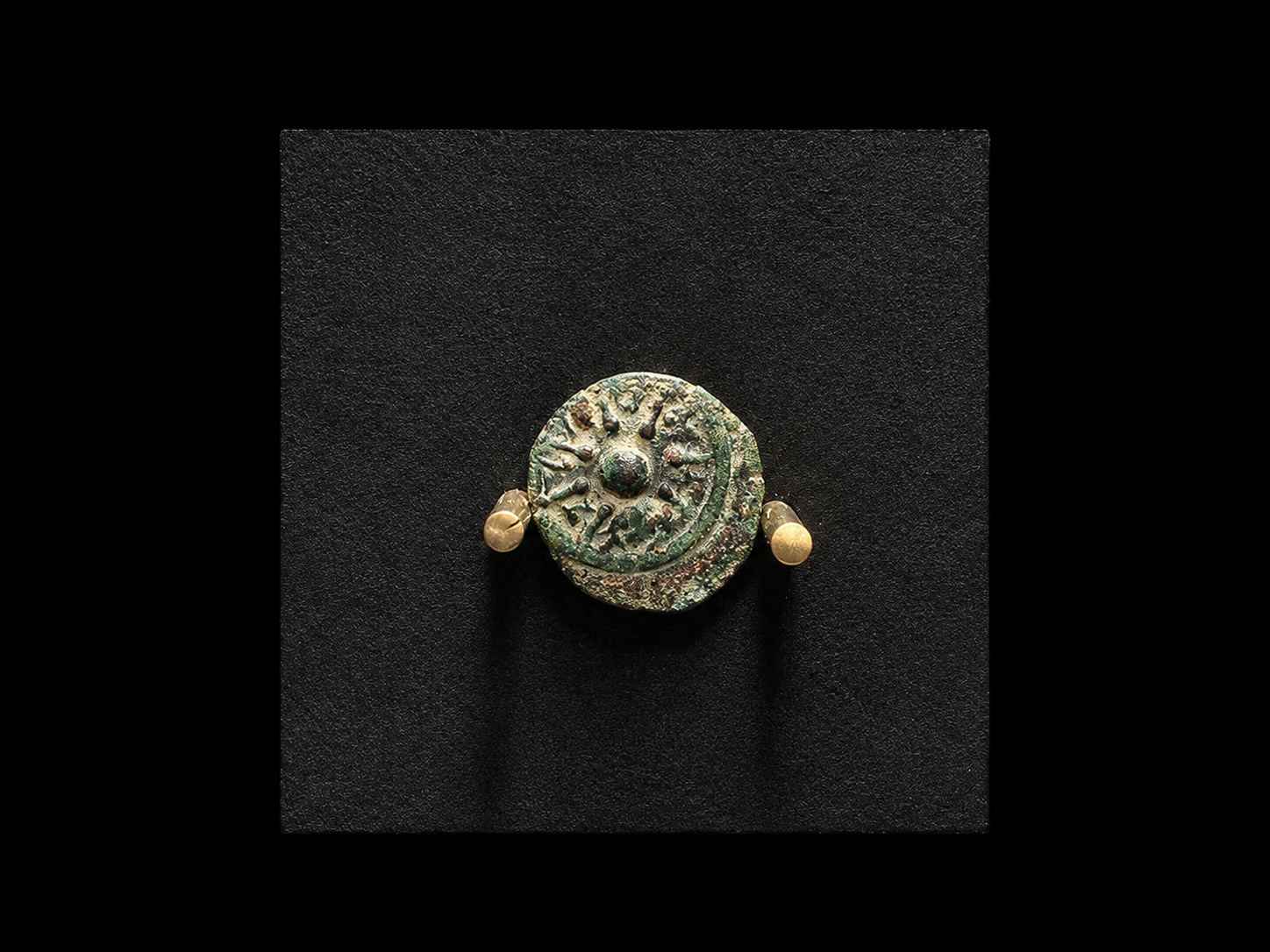
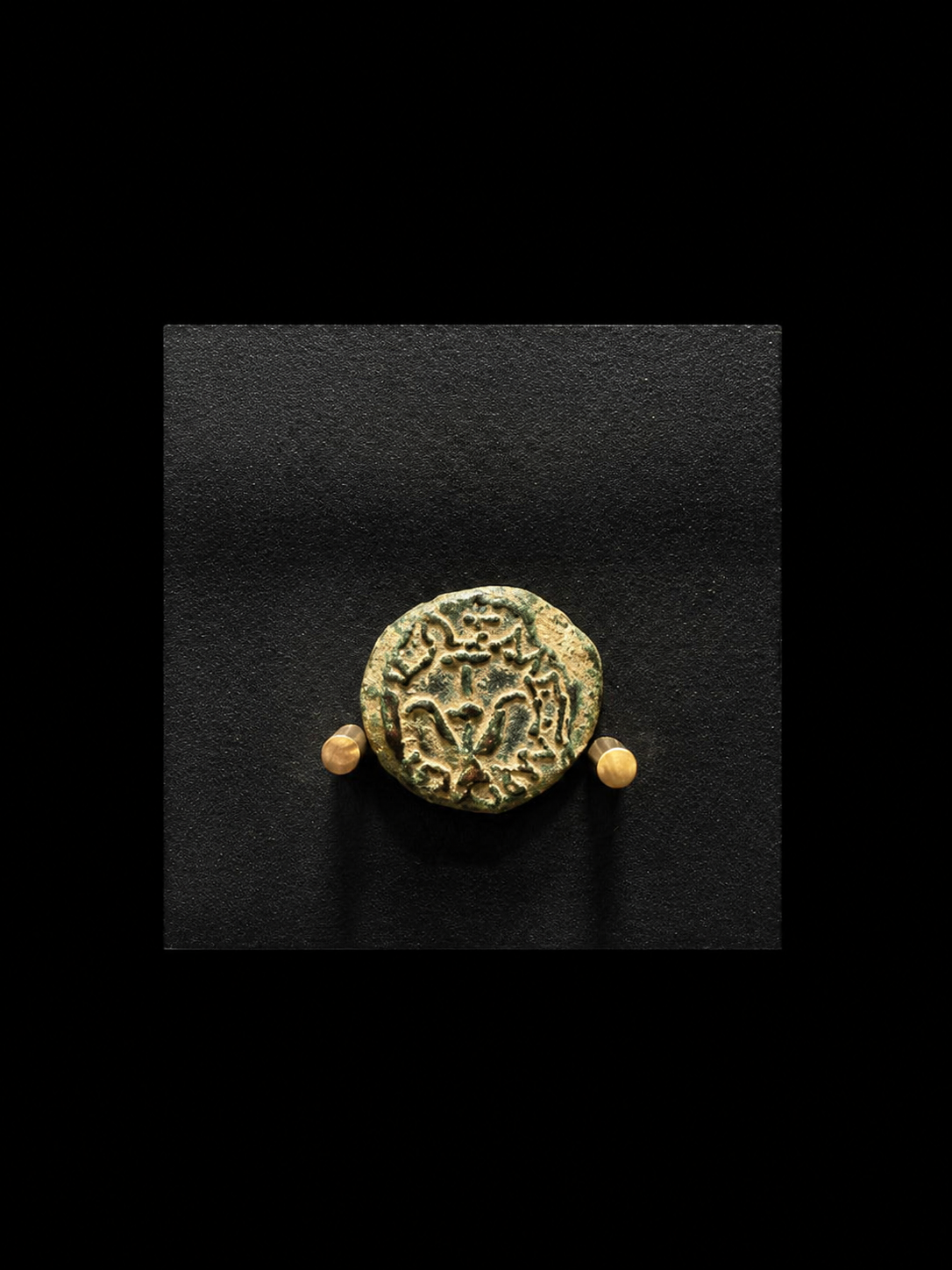
Struck in Judea during the reign of the Hasmonean king and High Priest Alexander Jannaeus (103–76 B.C.), this small bronze prutah belongs to the type traditionally identified as the “Widow’s Mite” of the New Testament. Coins of this type bear an anchor surrounded by the Greek inscription “of King Alexander” on one side and an eight-rayed star with a Hebrew inscription on the other.
These humble bronze coins continued to circulate long after the reign of Alexander Jannaeus and are traditionally associated with the tiny coins described in the Gospel account of the poor widow who gave everything she possessed:
“This poor widow hath cast more in, than all they which have cast into the treasury.”
Mark 12:43; Luke 21:1–4
Known for centuries as the Widow’s Mite, this coin provides a remarkable tangible connection to everyday life in Judea and to one of the most enduring lessons of the New Testament.
REFERENCE #
CO-JU-1001
CIVILIZATION
Judea, 103–76 B.C.
CONDITION
Good Condition
PRICE
POR
PROVENANCE
Found in Jerusalem
Frequently Asked Questions
The Widow's Mite is a small bronze prutah coin struck in Judea during the reign of King Alexander Jannaeus (103–76 B.C.). It is traditionally identified with the tiny coins mentioned in the New Testament, associated with the poor widow who gave all she had to the temple treasury.
The coin features an anchor surrounded by the Greek inscription 'of King Alexander' on one side, and an eight-rayed star with a Hebrew inscription on the other side. These symbols identify it as a coin from the reign of Alexander Jannaeus.
The Widow's Mite is significant because it represents the humble offering of a poor widow who gave all she had to the temple treasury, as recounted in the Gospels of Mark and Luke. This story highlights themes of generosity and faith beyond material wealth.
These bronze prutah coins continued to circulate long after the reign of Alexander Jannaeus, maintaining their role as everyday currency in Judea for an extended period.
The specific Widow's Mite coin referenced was found in Jerusalem, providing a direct archaeological link to the historical and biblical context of the region.
The coin is described as being in good condition, which helps preserve its historical details and inscriptions for study and display.