
Showing 33–48 of 227 results
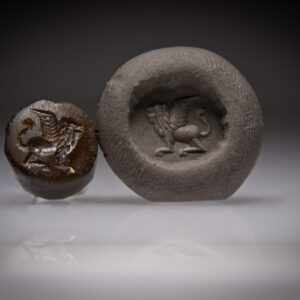
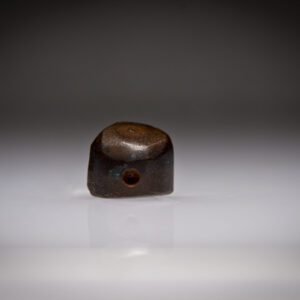
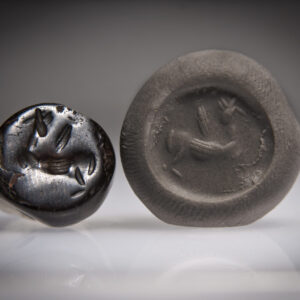
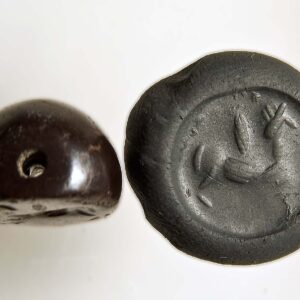
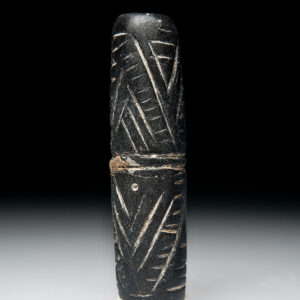
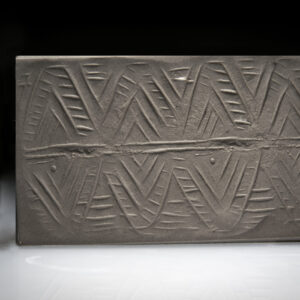
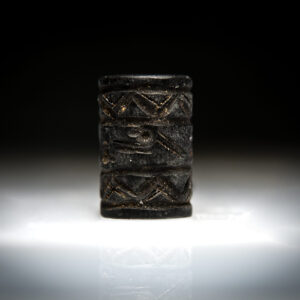
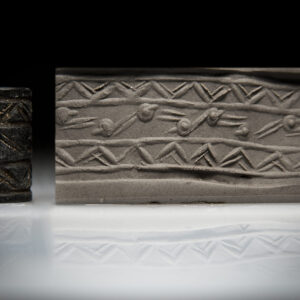
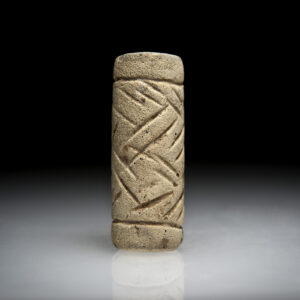
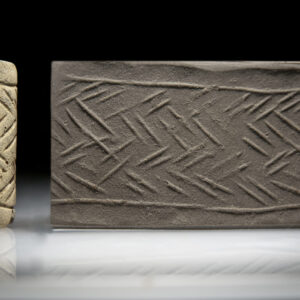
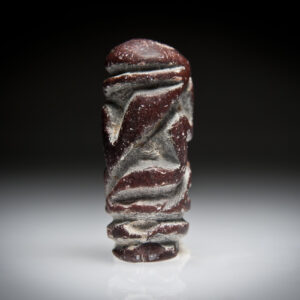
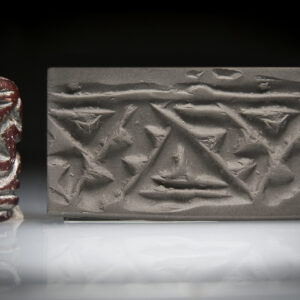
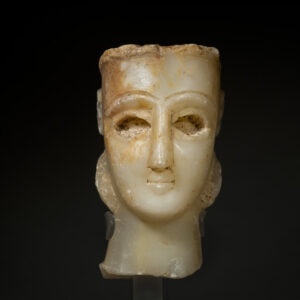
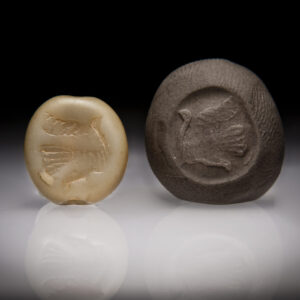
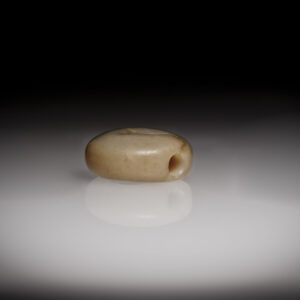
Mesopotamian, PRE-DYNASTIC 3000 B.C.E. – 2700 B.C.E.
L. 4.5 cm
Excellent condition
$
The Baidun Collection
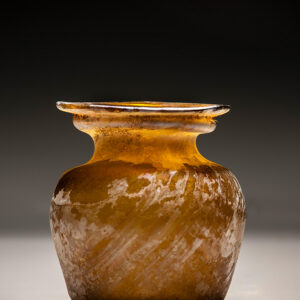
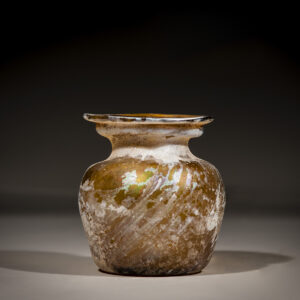
The craftsmen of Ancient Rome were constantly innovating to perfect their methods, while reaching new heights of early artistry. The swooping ribbons on the body of the amber glass jar may seem like a simple stylized effect, yet it represent the fine work of a dedicated glassblower using the most rudimentary of tools to create a truly unique piece of filled with ancient beauty.
Only 7 cm in height, this squat jar would have held the perfumes or ointments used daily to embellish the scent or cheeks of an ancient Roman citizen.
KB_GL_9990
Roman, 100 C.E. – 300 C.E.
H. 7 cm
Fine condition
Price available upon request
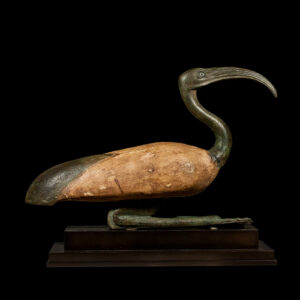
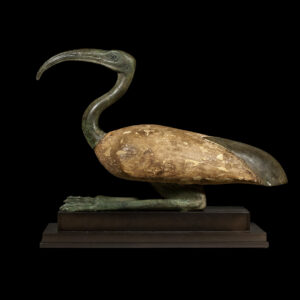
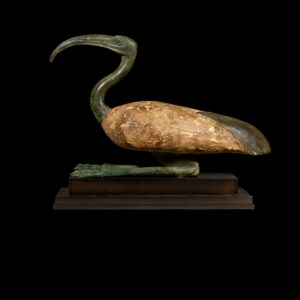
Great attention has been paid to the accurate and skillful rendering of the anatomic details of the ibis. Incised decoration replicates the structure of the bill, the eyes and the feathers and skin of the legs. The long, curved beak is harmoniously in proportion to the body, which has been simplified and streamlined to the point where it is an exercise in pure form. The bone structure of the beak and the head are represented through carefully nuanced modeling. The graceful contours of the neck flow into the body, of which only the outlines of wings, modeled on the underside as a slight ridge, are visible. The stylized mass of tail feathers was made separately and then inserted into the body.
Our bronze ibis would probably have been dedicated at a temple to Thoth, Egyptian god of writing, magic and wisdom, whose sacred animal was the ibis, and who often appeared as a man with the head of an ibis. As the creator of mankind, Thoth was one of the most important gods in the Egyptian pantheon. His main sanctuary was located in Hermopolis, a city that was known for its wealth.
Hermopolis benefited greatly from the rule of the Ptolemies, the Greek kings of Egypt, who commissioned large building projects for the city, thus solidifying Hermopolis’s identity as a luxurious resort town. A bronze such as our ibis would have undoubtedly been commissioned by a wealthy patron or king, who had access to the best workshops and quantities of good bronze. Our ibis is larger than the average ibis votives found: one of the closest parallels in terms of size and style is a Ptolemaic bronze ibis in the Brooklyn Museum (no. 49, 48).
Bibliography
ARNOLD, D., An Egyptian Bestiary, in Metropolitan Museum of Art Bulletin, New York, 1995.
ROBINS, G., The Art of Ancient Egypt, New Haven, 1998.
For other Late Period and Ptolemaic bronze ibis statuettes, see:
British Musem BM n. 64095 (1939, 0211.1)
Cleveland Museum of Art, no. 1940.667. 1/14
SI_EG_1046
Egyptian, Late Dynastic Period. 26th Dynasty, 664 B.C.E. – 332 B.C.E.
L. 40 cm
Fine condition
Sold
Ex. Private American collection, gifted to him in 1964 by a doctor who acquired it while working in Sudan.
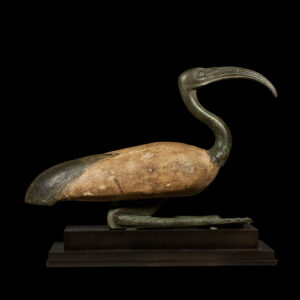
Great attention has been paid to the accurate and skillful rendering of the anatomic details of the ibis. Incised decoration replicates the structure of the bill, the eyes and the feathers and skin of the legs. The long, curved beak is harmoniously in proportion to the body, which has been simplified and streamlined to the point where it is an exercise in pure form. The bone structure of the beak and the head are represented through carefully nuanced modeling. The graceful contours of the neck flow into the body, of which only the outlines of wings, modeled on the underside as a slight ridge, are visible. The stylized mass of tail feathers was made separately and then inserted into the body.
Our bronze ibis would probably have been dedicated at a temple to Thoth, Egyptian god of writing, magic and wisdom, whose sacred animal was the ibis, and who often appeared as a man with the head of an ibis. As the creator of mankind, Thoth was one of the most important gods in the Egyptian pantheon. His main sanctuary was located in Hermopolis, a city that was known for its wealth.
Hermopolis benefited greatly from the rule of the Ptolemies, the Greek kings of Egypt, who commissioned large building projects for the city, thus solidifying Hermopolis’s identity as a luxurious resort town. A bronze such as our ibis would have undoubtedly been commissioned by a wealthy patron or king, who had access to the best workshops and quantities of good bronze. Our ibis is larger than the average ibis votives found: one of the closest parallels in terms of size and style is a Ptolemaic bronze ibis in the Brooklyn Museum (no. 49, 48).
Bibliography
ARNOLD, D., An Egyptian Bestiary, in Metropolitan Museum of Art Bulletin, New York, 1995.
ROBINS, G., The Art of Ancient Egypt, New Haven, 1998.
For other Late Period and Ptolemaic bronze ibis statuettes, see:
British Musem BM n. 64095 (1939, 0211.1)
Cleveland Museum of Art, no. 1940.667. 1/14
SI_EG_1046
Egyptian, Late Dynastic Period. 26th Dynasty, 664 B.C.E. – 332 B.C.E.
L. 40 cm
Fine condition
Sold
Ex. Private American collection, gifted to him in 1964 by a doctor who acquired it while working in Sudan.
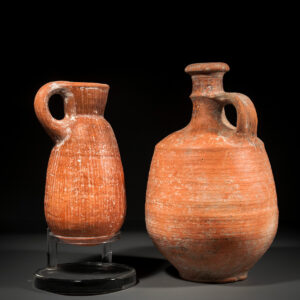
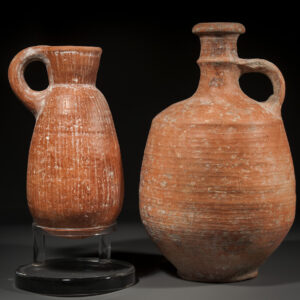
These ancient Israeli red slip ceramic vessels were found together in the mountains west of the Jordan River, an area known both then and now as Samaria. The smaller vessel with the large mouth is a wine decanter while the larger jug was made to hold large amount of cooking oil for generous use in old Israeli cuisine.
There is something homey, even quirky, about the thick handles that loop at the top of each vessel. The warm red colors of their grooved exterior transports us to a dimly lit kitchen filled with the smells of traditional meals still savored today across the Levant.
KB_PT_2517
Iron Age, 900 B.C.E. – 800 B.C.E.
H. 21 cm & 15.5 cm
Fine condition
Price available upon request