Description
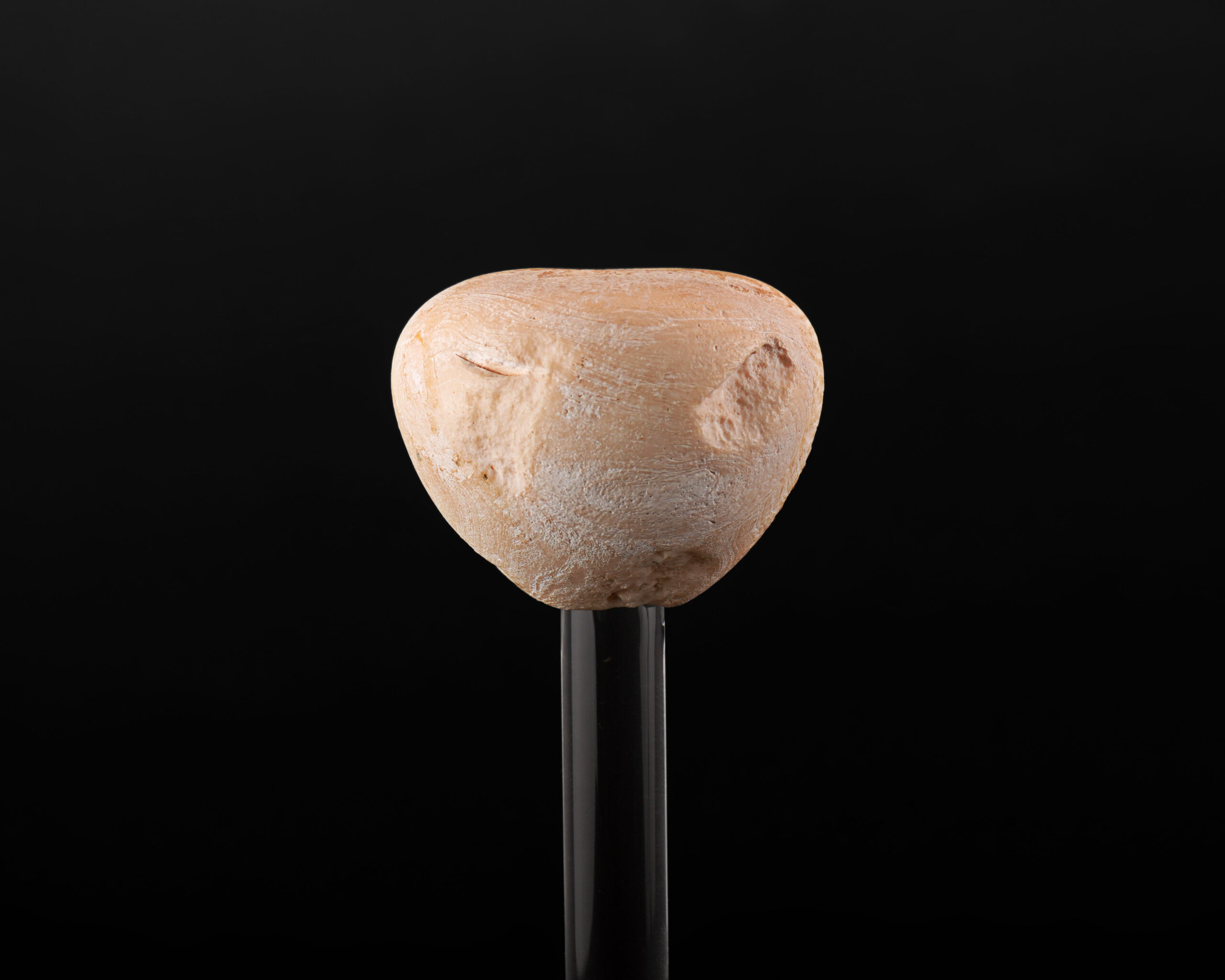
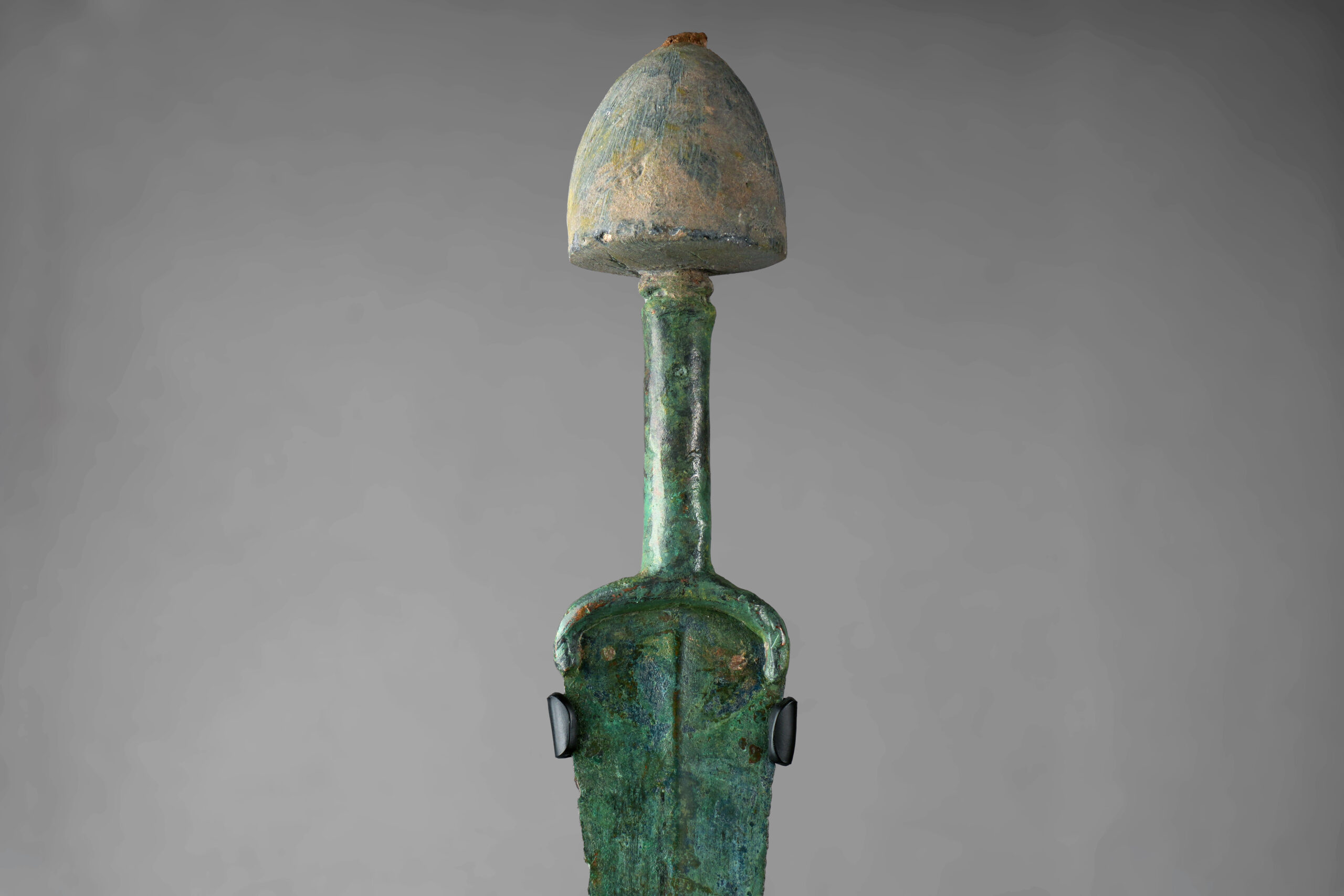
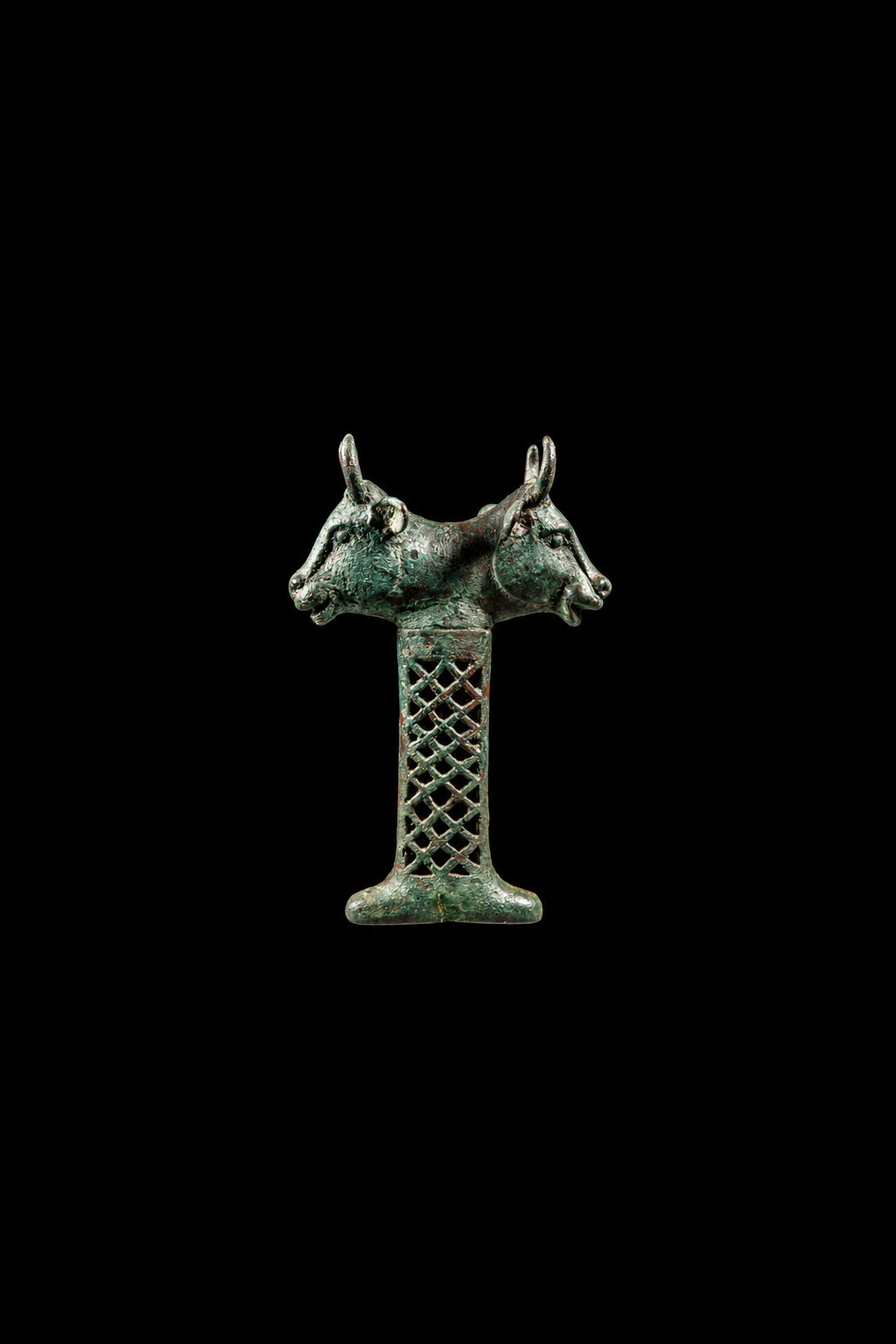
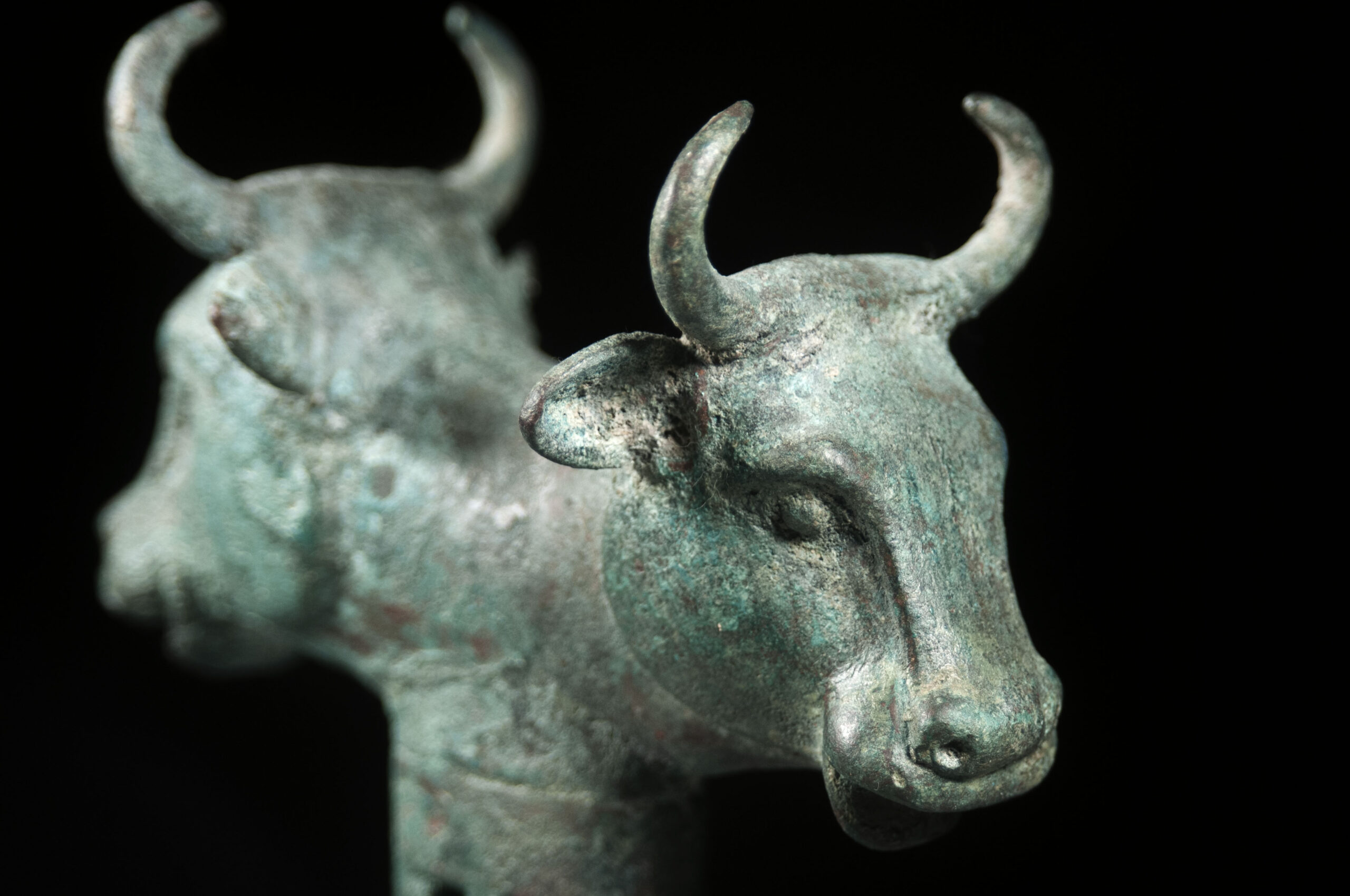
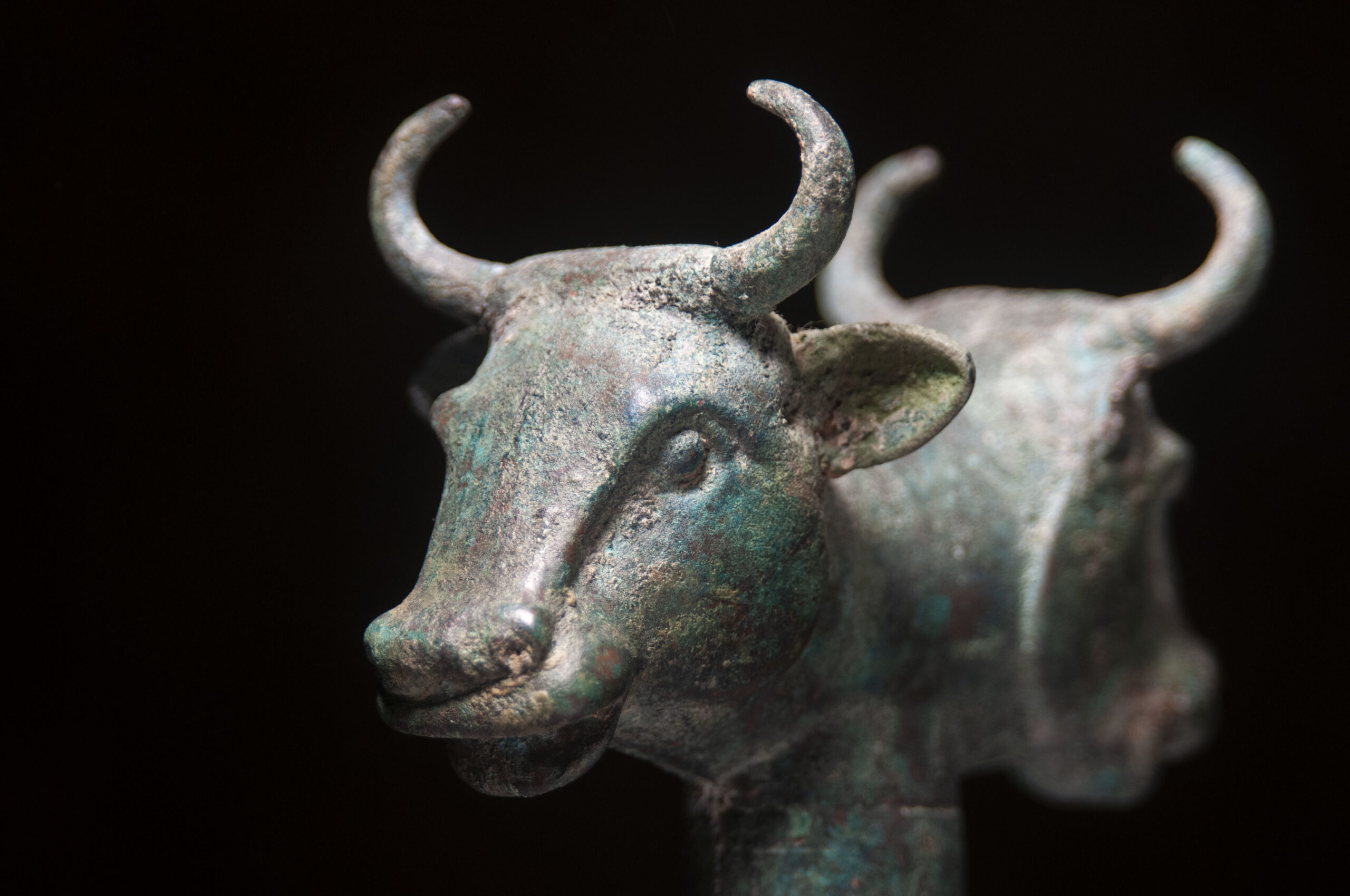
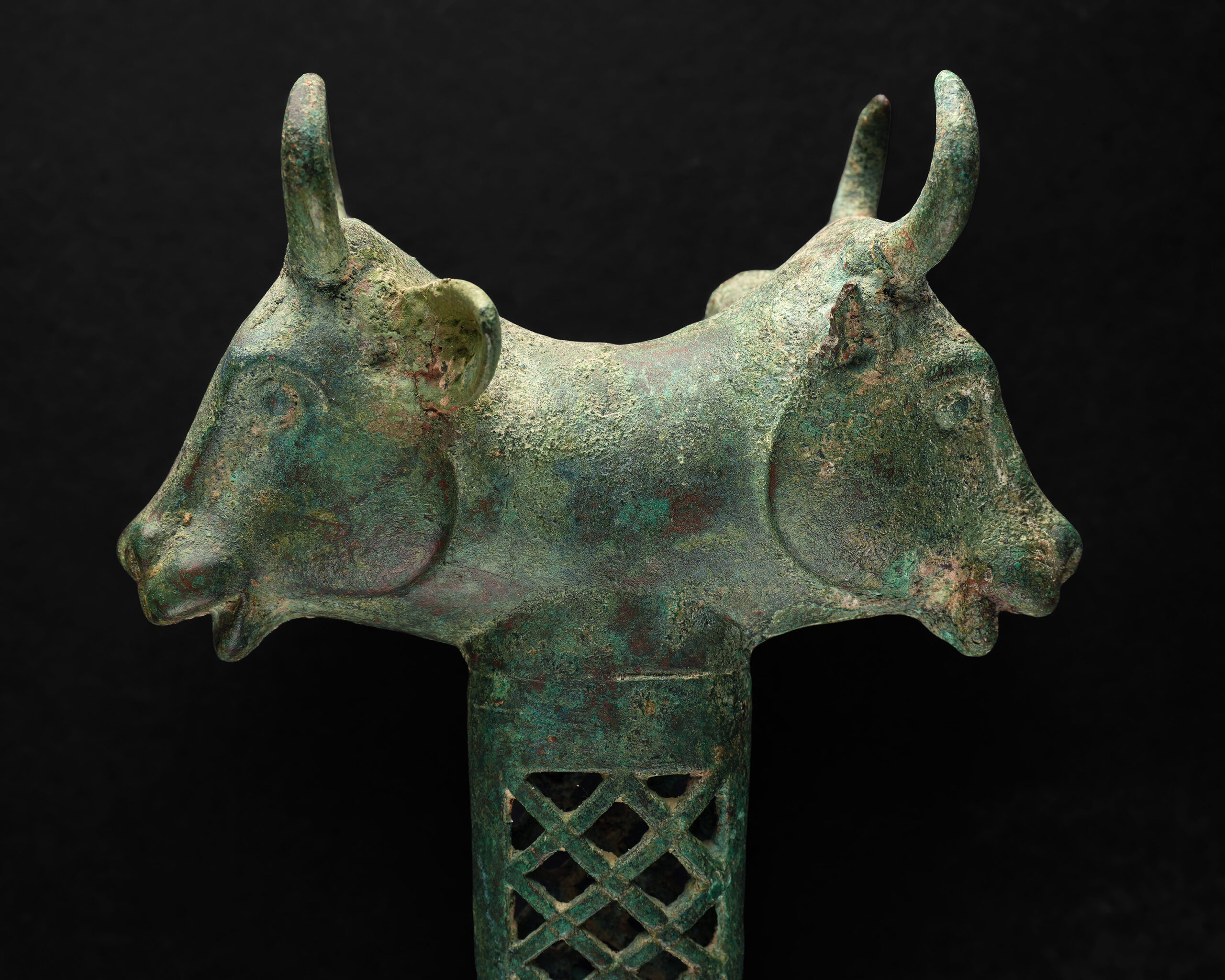
This Elamite Bronze Double-Headed Bull Mace Head, originating from the Near East region circa 2100–1550 B.C.E., is a striking example of ancient artistry and symbolism. The mace head features two imposing bull heads sculpted with remarkable detail and power, with their facial features exuding strength and dominance.
The bulls’ horns and expressions reflect the reverence for these animals in ancient cultures, often symbolizing fertility, power, and protection.
The handle, crafted in an openwork lattice style, showcases the artisan’s advanced skill in metalworking. The lattice pattern adds both aesthetic beauty and functional lightness to the piece. Though one of the bulls’ ears shows an ancient loss, the artifact remains in fine condition, its surface adorned with a rich natural patina, adding to its historical authenticity and appeal.
In the ancient Elamite kingdom, bulls were potent symbols of strength, fertility, and divine power, often associated with deities and rulers. This double-headed bull mace head likely held ceremonial or ritual significance, symbolizing authority, protection, or a connection to the divine. Its exquisite craftsmanship speaks to the advanced skills of the ancient Near Eastern metalworkers and their ability to imbue objects with profound cultural meaning.[/vc_column_text]
REFERENCE #
WP_AT_1001
CIVILIZATION
Persian, Middle Bronze 2100 B.C.E. – 1550 B.C.E.
SIZE
L. 19 cm, W. 13 cm
CONDITION
Fine condition.
PRICE
$25,000
Frequently Asked Questions
The Bronze Double-Headed Bull Mace Head originates from the Near East region and dates back to the Middle Bronze Age, specifically between 2100 and 1550 B.C.E. It is associated with the ancient Elamite civilization.
The mace head is crafted from bronze and features an openwork lattice style handle, demonstrating advanced metalworking skills of the ancient artisans. The lattice design adds both aesthetic appeal and functional lightness to the piece.
In the ancient Elamite culture, bulls symbolized strength, fertility, and divine power. The double-headed bull design likely represented authority, protection, and a connection to deities or rulers, indicating the mace head's ceremonial or ritual importance.
The mace head is in fine condition despite the ancient loss of one bull's ear. It retains a rich natural patina on its surface, which enhances its historical authenticity and visual appeal.
The Bronze Double-Headed Bull Mace Head measures 19 cm in length and 13 cm in width, making it a relatively compact yet detailed ceremonial object.
Given its symbolic bull imagery and craftsmanship, the mace head likely served a ceremonial or ritual role in the Elamite kingdom, representing authority, protection, and a divine connection for rulers or priests.