
Antikythera Shipwreck
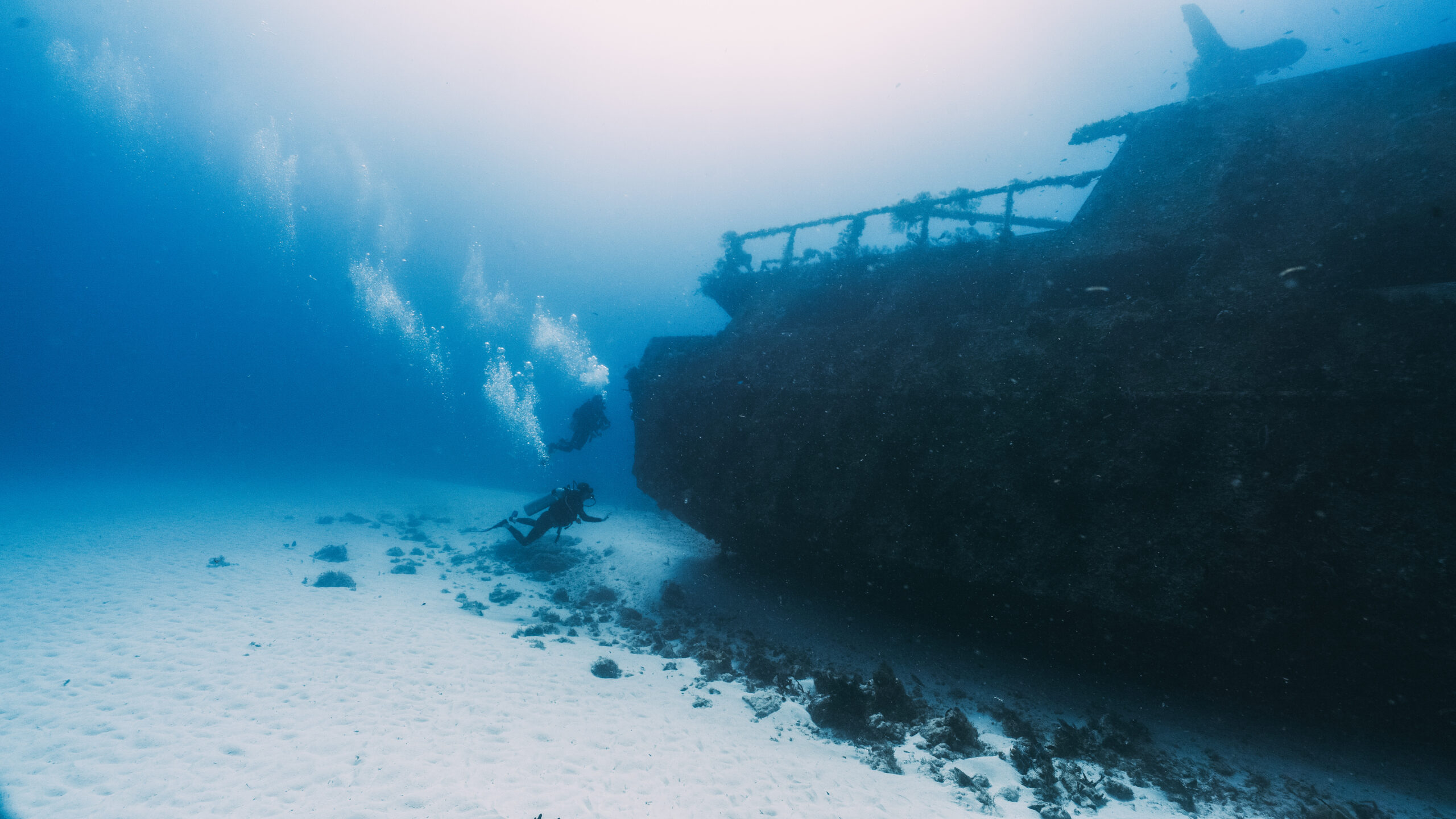
Described as the “Titanic of the ancient world”, the Antikythera shipwreck that was first discovered in 1900 could very well be the largest ancient shipwreck ever discovered. The crash site is located off the island of Antikythera in the Aegean Sea, and it’s estimated that this ship was smashed against Pinakakia’s rocks around 2,000 years ago. When first discovered in 1900, the exploration of the Antikythera priceless treasures were found, as the ship was carrying jewelry, glassware, Greek statues, amphora’s, terra-cotta lamps, in addition to what now is considered to be the world’s first computer!
At first glance, due to the locations of the artifacts on the sea floor, it looked like it could have been two ships sailing together that were both blown off course into the rocks, and losing control due to the violent sea. However, new evidence and observation points to only ship, and a very big one at that. Looking just at the hull planks and the anchors suggests that this was a very large ship, estimated at more than 150 feet in length. Due to the size it is speculated that this could very well have been a grain carrier. In ancient times this type of vessel was the largest to travel the seas, and this ship in particular could have been repurposed to carry just luxury cargo, or was transporting these treasures along with wheat and other grains. However, everything is just speculation, as none of these vessels have been officially found before, but writers in ancient times would often describe how these oversized vessels would often travel from Alexandria to Rome so there’s proof that they did in fact exist. For instance, the Roman satirist Lucian described in his writing one such vessel, the Isis, when it docked in Athens. It was also reported that the Syracusia would carry pickled fish, wool, grain, flowerbeds, and even a library. The cargo list for the Syracusia suggests that it carried almost 2,000 tons while it traveled from Syracuse in Sicily to Alexandria!
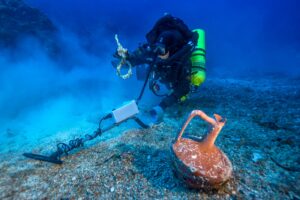
Considered to be one of the holy grail of discoveries for archaeologists, excavation at this site continues, so make sure you keep a watchful eye on the progression of this excavation as they uncover more the precious cargo, and yield more treasures!
Frequently Asked Questions
The Antikythera shipwreck, discovered in 1900 off the island of Antikythera in the Aegean Sea, is considered one of the largest ancient shipwrecks ever found. It is significant because it contained priceless treasures such as jewelry, Greek statues, amphorae, and the world's first known analog computer, providing valuable insights into ancient maritime trade and technology.
The shipwreck occurred around 2,000 years ago near the island of Antikythera in the Aegean Sea. The ship was smashed against the rocks of Pinakakia, leading to the loss of its cargo and eventual discovery centuries later.
Excavations of the Antikythera shipwreck uncovered a variety of artifacts including jewelry, glassware, Greek statues, amphorae, terra-cotta lamps, and the Antikythera mechanism, which is considered the world's first computer. These items highlight the ship's valuable and diverse cargo.
Based on the hull planks and anchors found at the site, the ship is estimated to have been over 150 feet in length. This suggests it was a very large vessel, possibly a grain carrier or a ship repurposed to transport luxury goods alongside grains.
It is speculated that the ship was either a grain carrier or a vessel transporting luxury cargo such as jewelry and statues, possibly alongside wheat and other grains. Ancient writings describe large ships carrying diverse cargoes, supporting this theory, though the exact purpose remains speculative.
Yes, ancient writers like the Roman satirist Lucian described large vessels such as the Isis and the Syracusia, which carried diverse cargo including grain, wool, pickled fish, and even libraries. These records support the existence of oversized ships similar to the Antikythera vessel.
Yes, the excavation at the Antikythera shipwreck site continues as archaeologists work to uncover more of the ship's precious cargo and treasures. Ongoing exploration promises to yield further valuable discoveries about ancient maritime history.