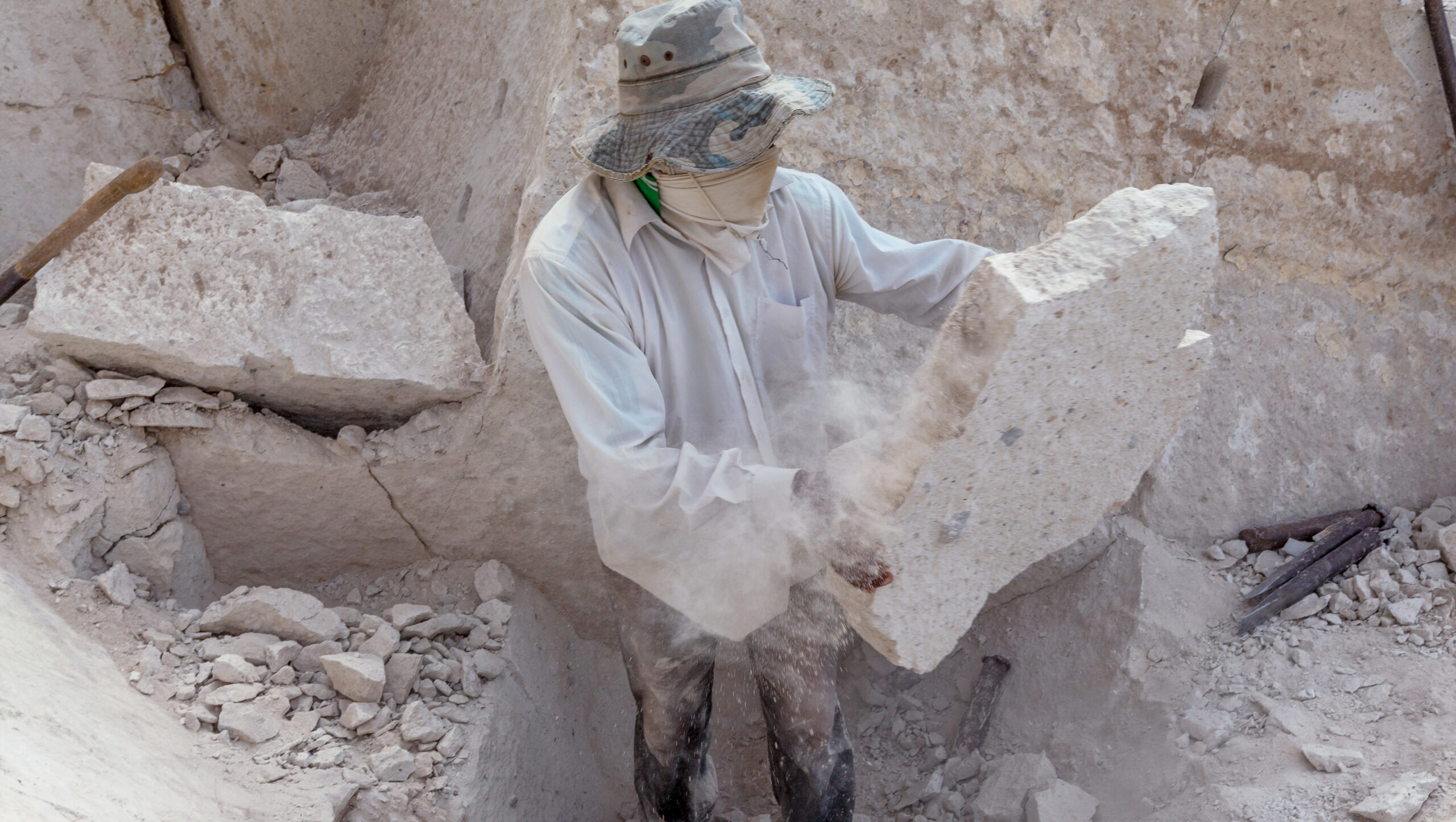
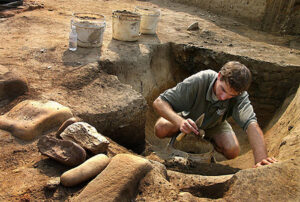
 Archaeology is the study of human cultures from around the world throughout time. This is done by excavating artifacts to learn about the people who left them behind. Though being an archaeologist may not be as exciting as it was for say Indiana Jones, if you find the idea of unearthing an arrowhead that hasn’t been touched for 900 years exciting, then this may be the perfect career path for you. But the question remains: do you have what it takes?
Here are a few qualities an archaeologist must possess:
Ability to work with others: Whether you’re leading a crew or just joining one, being able to either take or give orders and to work in a collaborative environment would help you pursue this career field.
Investigative skills: To succeed as an archaeologist, you must be capable of conducting extensive research and learning to apply the knowledge you’ve gained to the field.
Analytical skills: Thinking critically is an excellent skill for understanding laboratory experiments and observations you’ve made in the field. You will also need to know how to use the scientific method and how to analyze your data in order to further your goals.
Writing skills: Contrary to popular belief, archaeologists don’t spend all of their time in the field. They can often be found writing about their findings in a report and publishing their results in public interest publications and scholarly journals.
Cultural Sensitivity: If you work in foreign countries to your own, you must be hyper-aware of local customs and expectations. Locals will see you as an ambassador from your country or school, and tend to make generalizations based on your behavior.
Competitive nature: Just as with most professions these days, the job outlook isn’t as sunny as it may appear. This is a small occupation, with only about 1,400 new jobs growing in the next ten years, so you must be prepared to work very hard to gain the necessary experience to achieve your goals. Though your ideal scenario will involve you finding work in the field right away, the truth of the matter is that when it comes to finding work as an archaeologist, supply often exceeds demand. Volunteering is a great way to gain some experience, to network by building connections.
Frequently Asked Questions
Successful archaeologists need to have strong teamwork abilities, investigative and analytical skills, excellent writing capabilities, cultural sensitivity, and a competitive nature. These qualities help them conduct research, collaborate with others, analyze data, communicate findings, and navigate diverse cultural environments effectively.
Cultural sensitivity is crucial because archaeologists often work in foreign countries where understanding and respecting local customs and expectations helps build trust and positive relationships. Being culturally aware prevents misunderstandings and ensures that archaeologists are seen as respectful representatives of their home institutions or countries.
Writing skills are very important as archaeologists spend significant time documenting their findings through reports and publishing results in scholarly journals and public interest publications. Clear and accurate writing helps share discoveries with the academic community and the public, advancing knowledge in the field.
The archaeology field is competitive with limited job growth, approximately 1,400 new jobs over ten years. Supply often exceeds demand, so aspiring archaeologists must work hard to gain experience, often through volunteering and networking, to improve their chances of employment.
Investigative skills enable archaeologists to conduct thorough research and apply knowledge in the field, while analytical skills help them critically evaluate laboratory experiments and field observations. Together, these skills allow archaeologists to use the scientific method effectively and analyze data to support their conclusions.
While fieldwork is a significant part of archaeology, much of an archaeologist's time is also spent writing reports, publishing findings, and conducting research. This balance ensures that discoveries are properly documented and shared with both the academic community and the public.