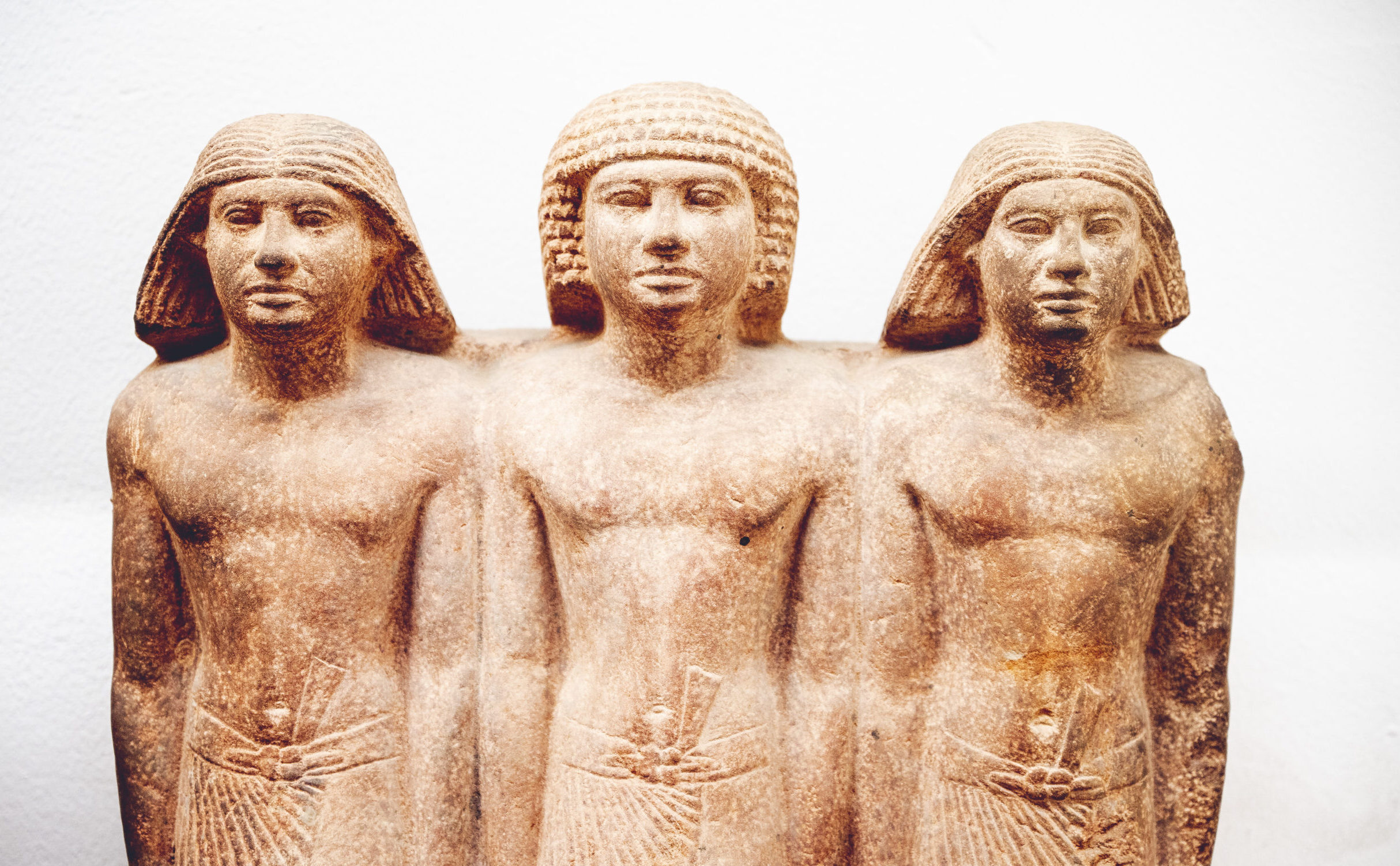
In the midst of Breast Cancer Awareness Month, we felt it was important to recognize the role of women in society – specifically of Ancient Egypt. It is understood that Egypt treated its women better than any of the other major civilizations of the ancient world. Women in ancient Egypt were well ahead of their time. Egyptian women could have their own businesses, own and sell property, serve as witnesses in court cases, or even rule an entire country!
Here are three women rulers of Ancient Egypt that deserve a loud shout-out:
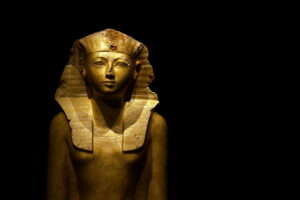 1. Hatshepsut: Queen of Egypt, 15th century B.C.
Hatshepsut was a powerful political person in Egypt even before she assumed the title of Pharaoh. She had a peaceful reign promoting trade and the arts. Her beautiful temple at Deir el-Bahri still stands west of Thebes.
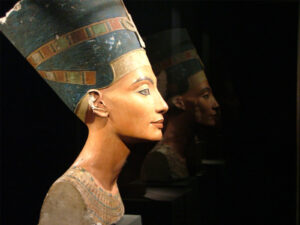 2. Nefertiti: Queen of Egypt, 14th Century B.C.
Nefertiti was the powerful wife of Akhenaton, who worshiped a new religion honoring only one God, Aten. She later rejected this religion, backing her half-brother who re-established the old worship of the sun-god Amon. Her beauty was immortalized in exquisite sculptures made at the time.
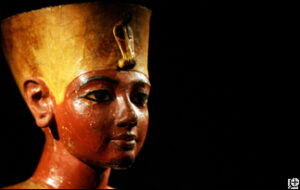 3. Cleopatra: Queen of Egypt, 69-30 B.C.
Cleopatra was the ambitious last ruler of the Macedonian Dynasty of Ancient Egypt. In her struggles to win the crown and keep her country free, she sought the support of Julius Caesar, bearing him a son. For a time she lived in Rome. Later, she won the protection of Rome through an affair with Mark Anthony, and had three children with him. Financing his failing military campaigns, both she and Anthony were defeated in a battle against Octavian in 31 B.C. A lesser known fact is that Cleopatra was highly educated and possessed an impressive intellect, being a student of philosophy and international relations.
Frequently Asked Questions
Women in Ancient Egypt were treated better than in many other major ancient civilizations. They had rights to own and sell property, run their own businesses, serve as witnesses in court, and even rule the country, which was quite progressive for the time.
Hatshepsut was a powerful queen and later Pharaoh of Egypt in the 15th century B.C. She promoted trade and the arts during her peaceful reign, and her temple at Deir el-Bahri remains a significant historical monument.
Nefertiti was the wife of Akhenaton and initially supported his monotheistic worship of Aten. Later, she rejected this new religion and supported the restoration of the traditional worship of the sun-god Amon, influencing religious shifts in Egypt.
Besides her well-known political alliances with Julius Caesar and Mark Antony, Cleopatra was highly educated, possessing an impressive intellect. She studied philosophy and international relations, which helped her navigate complex political landscapes.
Cleopatra maintained her power by forming strategic alliances with powerful Roman leaders like Julius Caesar and Mark Antony. She bore children with both and used these relationships to protect Egypt's independence during turbulent times.
Women in Ancient Egypt could own and sell property and run their own businesses independently. These rights allowed them significant economic freedom and social standing uncommon in many other ancient societies.