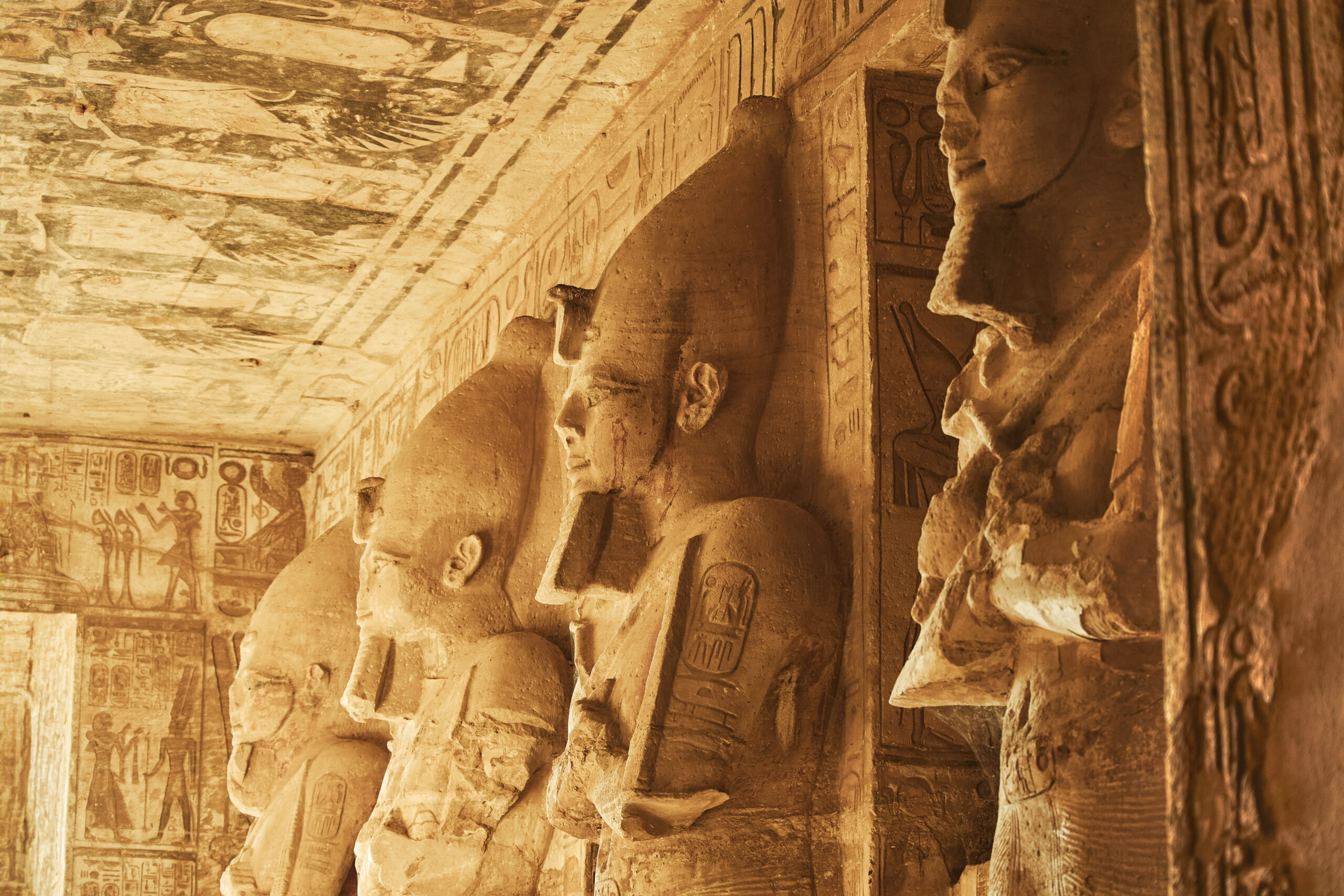
Egyptian art, architecture and burial methods have become enduring objects of fascination to the world. Yet, so much mystery still remains about these famed builders of the pyramids. Here are a few enlightening facts about this ancient civilization:
1. Ancient Egyptians loved board games.
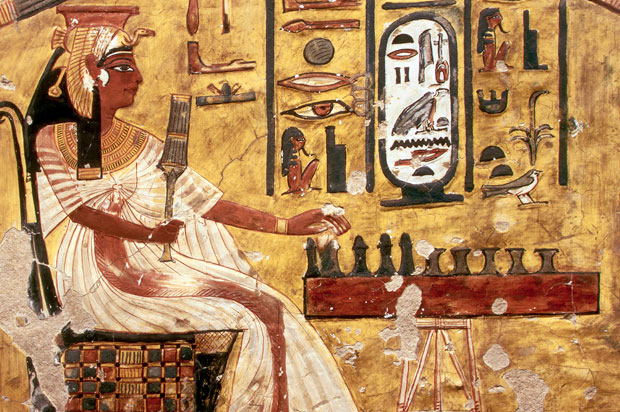
After a long day working along the Nile, Egyptians found repose in playing board games. From “Mehen,” to “Dogs and Jackals,” to the popular game known as “Senet,” the Egyptians partook in a wide variety of board games. Paintings depict Queen Nefertari playing Senet, and pharaohs like Tutankhamen even had game boards buried with them in their tombs.
2. Egyptian women had a wide range of rights and freedoms.
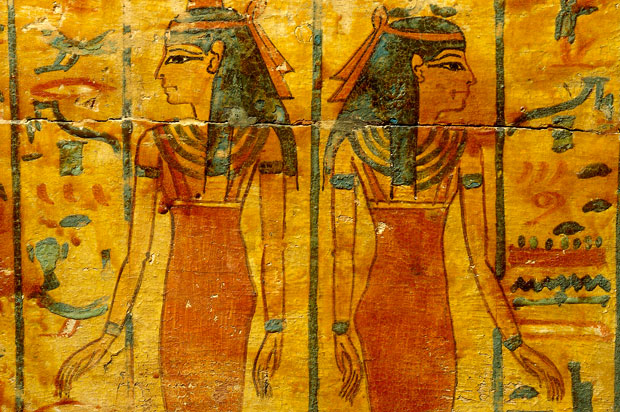
While women may have been publicly and socially viewed as inferior to men, Egyptian women enjoyed a great deal of legal and financial independence. They could buy and sell property, serve on juries, make wills, enter into legal contracts, and even rule an entire country! When it came to marriage, women not only had the right to divorce and remarry, but they were even known to negotiate an ancient prenuptial agreement.
3. The pyramids were not built by slaves.
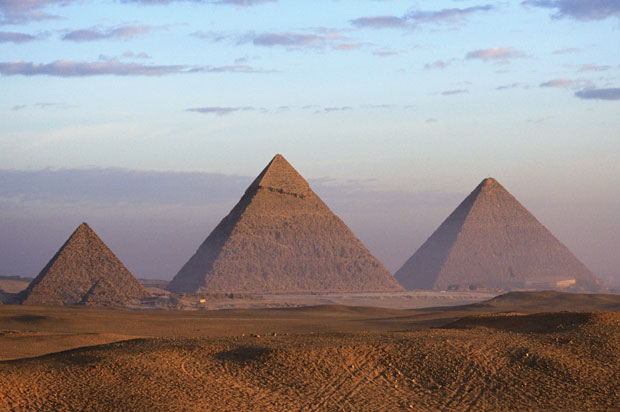
Evidence suggests that the pyramids were not built by slaves but by paid laborers. These ancient construction workers were a mix between skilled artisans and temporary hands. Some appear to have taken great pride in their craft. Graffiti that was found near the monuments suggests they often assigned humorous names to their work crews like the “Drunkards of Menkaure” or the “Friends of Khufu.”
4. King Tut may have been killed by a hippopotamus.
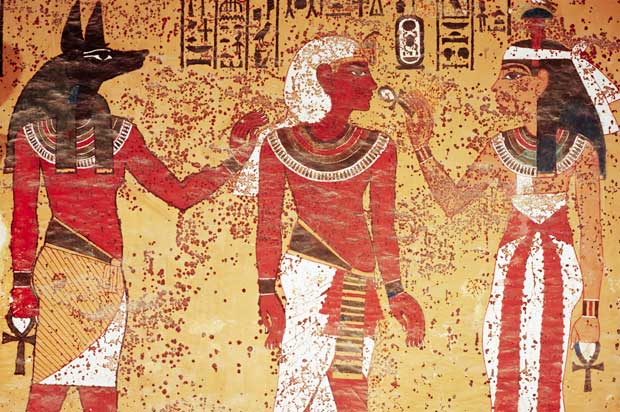
Believe it or not, the death of King Tut may be the result of a hunt gone wrong. Evidence indicates that the Egyptians hunted the hippos for sport, and statues found in King Tut’s tomb even depict him in the act of throwing a harpoon. Scans of the young king’s body show that he was embalmed without his heart or his chest wall. According to Egyptologists, it is most likely that this was due to a hippopotamus bite.
5. The ancient Egyptians forged one of the earliest peace treaties on record.
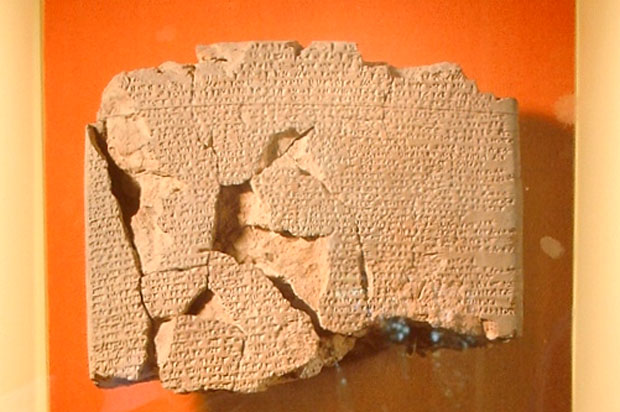
In 1259 B.C. Ramses II and the Hittite King Hattusili III negotiated a famous peace treaty that would end the conflict between the two empires. It also decreed that the two kingdoms would aid each other in the event of an invasion by a third party. The Egyptian-Hittite treaty is now recognized as one of the earliest surviving peace accords, and a copy can even be seen above the entrance to the United Nations Security Council Chamber in New York.
Frequently Asked Questions
Ancient Egyptians enjoyed a variety of board games such as Mehen, Dogs and Jackals, and the popular Senet. These games were a common pastime after work, and some, like Senet, were even depicted in royal tombs and paintings, highlighting their cultural significance.
Egyptian women had significant legal and financial rights, including the ability to buy and sell property, serve on juries, make wills, and enter into legal contracts. They could also divorce, remarry, and even negotiate prenuptial agreements. Some women held powerful positions, including ruling the country.
Contrary to popular belief, the pyramids were not built by slaves but by paid laborers who were a mix of skilled artisans and temporary workers. These workers took pride in their craft, as evidenced by graffiti near the monuments that humorously named their work crews.
Evidence suggests King Tut may have died from injuries sustained during a hippopotamus hunt. Scans of his body show he was embalmed without his heart or chest wall, which Egyptologists believe resulted from a hippopotamus bite, supported by depictions of him hunting hippos in his tomb.
The peace treaty negotiated in 1259 B.C. between Ramses II of Egypt and Hittite King Hattusili III ended hostilities between their empires and included mutual defense clauses. It is one of the earliest surviving peace treaties and a copy is displayed at the United Nations Security Council Chamber.
Yes, ancient Egyptian women had the legal right to divorce their husbands and remarry. They could also negotiate prenuptial agreements, which was quite progressive for the time, reflecting their considerable autonomy in marriage matters.
Graffiti found near the pyramids reveals that the workers humorously named their crews, such as the “Drunkards of Menkaure” and the “Friends of Khufu.” This suggests a sense of camaraderie and pride among the laborers who built these monumental structures.