
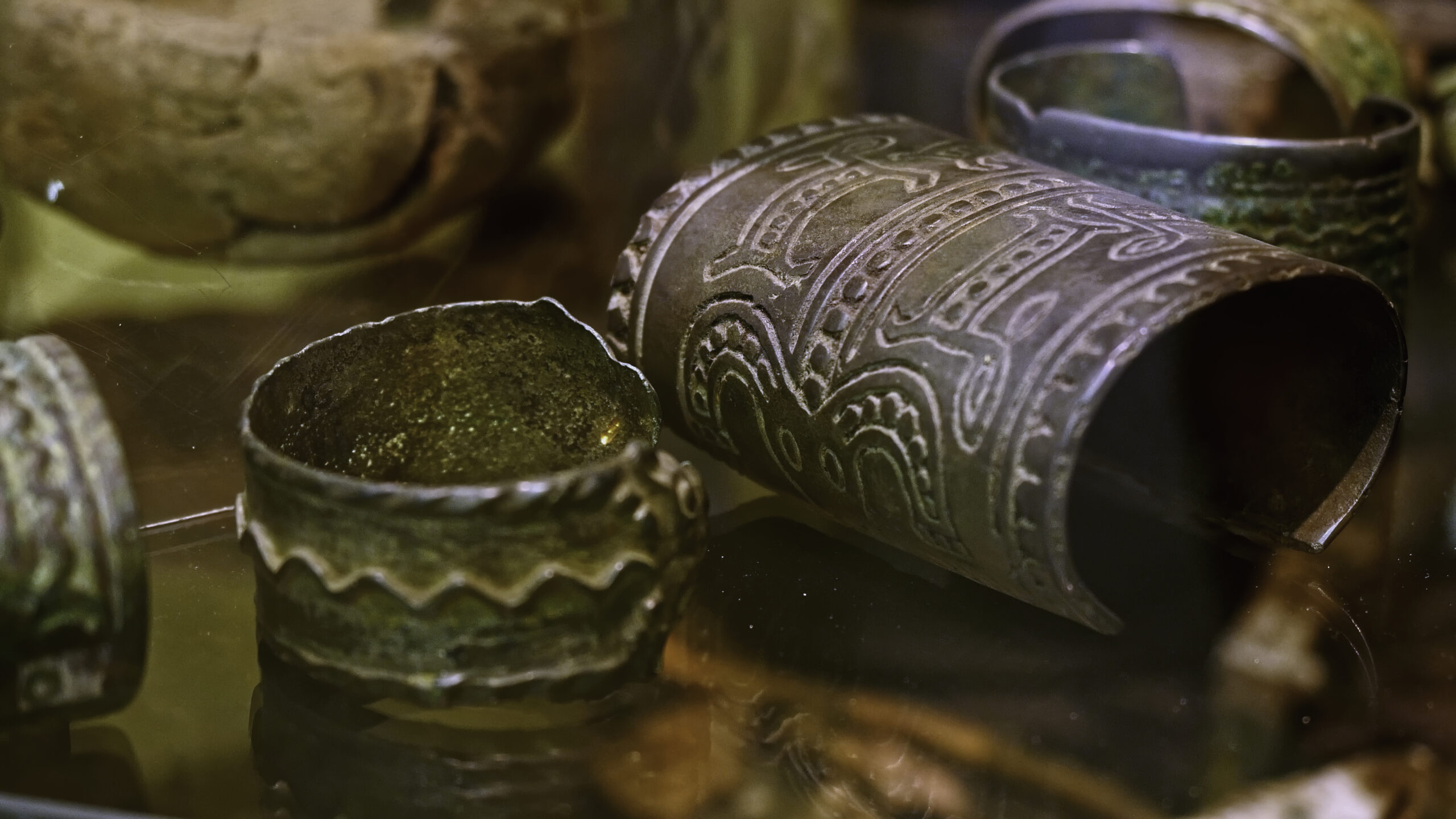
The ongoing Syrian war has not just caused devastation to its cities, towns and people, but it has equally devastated the culture and the history. The Association for the Protection of Syrian Archaeology (APSA) is an organization that’s here to preserve Syria’s past. With the constant gunfire and bombs being set off, sites have been tragically pulverized. Here is a before and after photograph of Dura-Europos, an ancient city founded around 300 BC by Macedonian Greeks of the Seleucid empire:
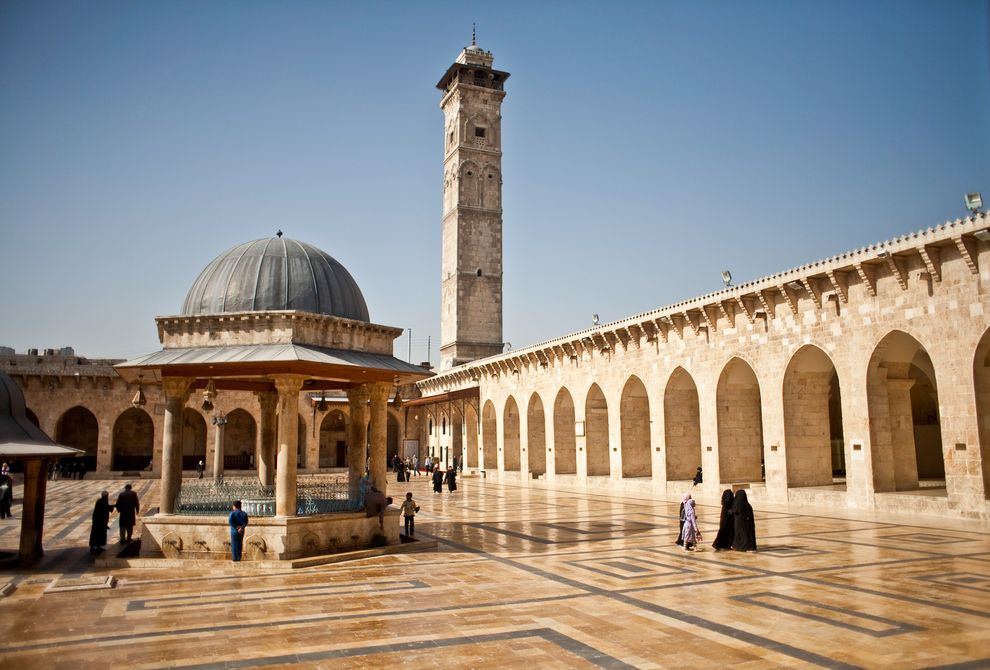
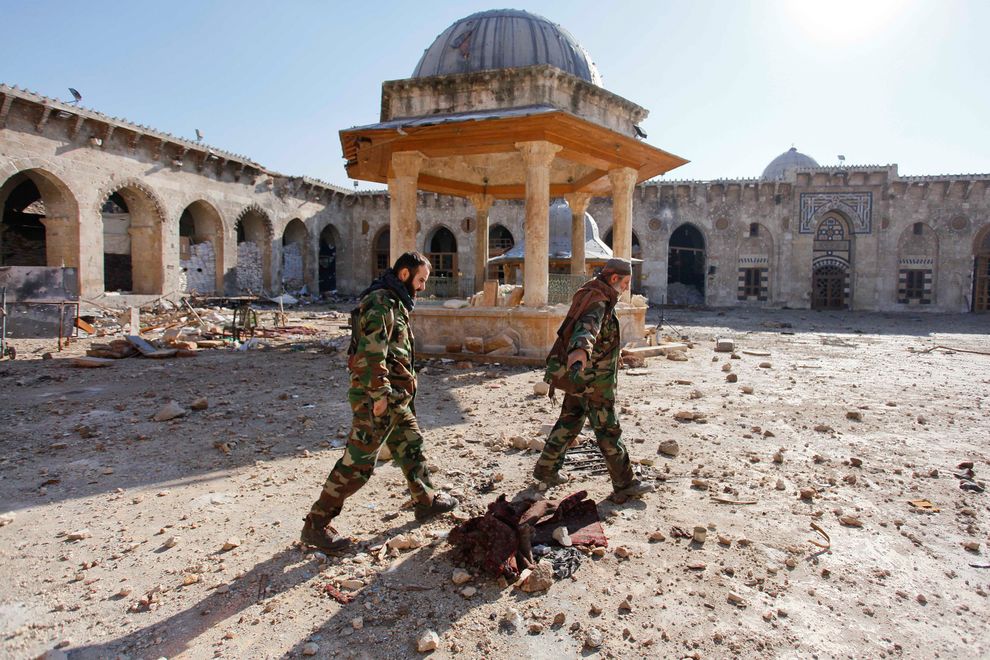
It appears it may be too late to save the divine Dura-Europos, but archaeologists and activists are working day and night to preserve what’s left of Syria’s rich history, which stretches back more than 10,000 years. The efforts are focused on providing proper training and workshops for locals to save ancient monuments and museum collections in the midst of a war. It is crucial that citizens learn how to preserve their antiquities, not only for the sake of preservation, but for the hope of the country’s future as a nation. Tourism was a mainstay of the Syrian economy before it turned into a war zone, explains John Russell, a State Department consultant who helps countries protect their archaeological treasures.
However, it won’t be an easy road to recovery. Many point out that it is an especially grim business, as it is difficult to preserve a land that is falling apart all around.
Frequently Asked Questions
The Association for the Protection of Syrian Archaeology (APSA) is an organization dedicated to preserving Syria's cultural heritage and archaeological sites amidst the ongoing war. They focus on protecting ancient monuments and museum collections that have been damaged or threatened by conflict.
The Syrian war has caused extensive damage to the country's archaeological sites, with many ancient cities and monuments being destroyed by gunfire and bombings. For example, the ancient city of Dura-Europos has been tragically pulverized, illustrating the severe impact of the conflict on Syria's cultural history.
Archaeologists and activists are providing training and workshops to local citizens to help them preserve ancient monuments and museum collections. These efforts aim to empower locals with the skills needed to protect their cultural heritage despite the ongoing war conditions.
It is crucial for Syrian citizens to learn preservation techniques not only to safeguard their cultural heritage but also to support the country's future. Preserving antiquities helps maintain a connection to Syria's rich history and can aid in economic recovery through tourism once peace is restored.
Before the war, tourism was a significant part of Syria's economy, largely driven by its rich archaeological and historical sites. The destruction of these sites has negatively impacted tourism, which was once a mainstay of the country's economic stability.
Recovery of Syria's archaeological heritage is expected to be challenging due to the extensive damage and ongoing instability. Preservation efforts continue despite these difficulties, but restoring and protecting the cultural sites will require long-term commitment and resources.