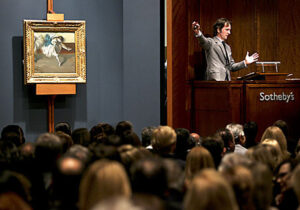
 Antiquities are making a comeback in a big way. According to the New York Times, “Last month in London, sculptures from ancient Egypt and ancient Rome sold for 15.8 million pounds and £9.4 million respectively, setting the highest prices at Christie’s and Sotheby’s summer auctions of pre-20th-century works.” The rise in sales of these antiquities can be attributed to the timeless appeal of ancient civilizations. In fact, contemporary artists such as Jeff Koons and Marc Quinn are hopping on the antiquity bandwagon and purchasing various ancient artifacts.
Lorne Thyssen of Kallos Gallery points out that antiquity prices are on the rise, yet are still majorly undervalued! Thyssen has been buying ancient Roman artifacts for over eight years and hopes to “keep the bar high,” as he puts it, for such valuable objects and pieces of history. An increasing number of wealthy collectors are beginning to realize that the best-quality ancient art is still much cheaper than contemporary art, and that they look good together.
There are many factors that play into the success of sales for valuable antiquities. One unfortunate reason is that ongoing wars in places such as Syria and Iraq, bring about the illicit excavation, and allow looting and selling of antiquities to continue. Samuel Hardy, Honorary Research Associate at the Institute of Archaeology, points out that there is a massive amount of these pieces coming out of Syria specifically. Rebels have dubbed teams responsible for looting to use as international currency. Museum curators and several dealers are working hard to avoid these complications. Museums in the United States won’t buy ancient objects that left their country of origin after 1970, unless they have proof they were legally exported.
Frequently Asked Questions
Antiquities are gaining popularity due to their timeless appeal and connection to ancient civilizations. Contemporary artists and wealthy collectors are increasingly interested in these pieces, recognizing their historical value and aesthetic compatibility with modern art.
While prices for antiquities are rising, experts like Lorne Thyssen note that they remain undervalued compared to contemporary art. Many collectors find that high-quality ancient art is still more affordable and complements contemporary pieces well.
Ongoing conflicts in Syria and Iraq have led to increased illicit excavation and looting of antiquities. Rebel groups use looted artifacts as international currency, complicating efforts by museums and dealers to ensure legal and ethical acquisitions.
Museums, especially in the United States, avoid purchasing ancient objects that left their country of origin after 1970 unless there is proof of legal export. This policy helps prevent the acquisition of looted or illegally traded artifacts.
Artists like Jeff Koons and Marc Quinn have shown interest in antiquities by purchasing ancient artifacts. Their involvement highlights the blending of ancient and contemporary art trends in the market.
Dealers and gallery owners, such as Lorne Thyssen of Kallos Gallery, actively buy and sell ancient artifacts while striving to maintain high standards and ethical practices. They help set market values and promote the appreciation of antiquities.