Alabaster Perfume Flask (First Temple Period)

$2,300.00

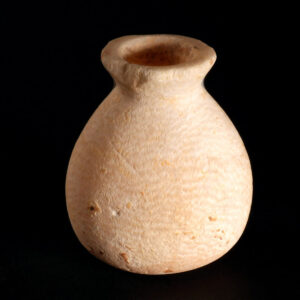
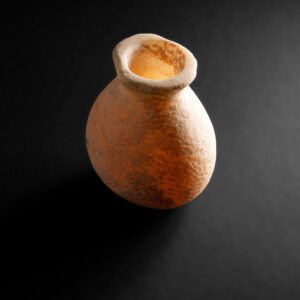
This elegant translucent alabaster perfume flask exemplifies the artistry and craftsmanship of Israelite artisans of the Iron Age, First Temple Period. Crafted from fine, translucent alabaster, the flask presents an ovoid body with a narrow, well‑formed neck and a gently everted mouth, its surface smoothly polished to reveal the subtle veining and soft luminosity of the stone.

The most striking feature of the flask is its delicate, refined profile and the way the translucent material captures and diffuses light, lending a quiet, luminous quality to the form. The workmanship demonstrates mastery of stone‑carving techniques, with a precise, symmetrical shape and a satin finish that highlights the inherent beauty of the alabaster. Any surviving tool marks are minimal and secondary to the overall polished presentation.

This object likely served both personal and ritual functions, used to contain precious oils or perfumes for daily grooming, anointing, or sacred ceremonies. Its refined material and careful execution reflect the value placed on aromatic substances in Israelite society and suggest ownership by an individual of some standing. Found in Jerusalem. Iron Age, First Temple Period (circa 10th–6th centuries BCE).

REFERENCE #

ST-22470

CIVILIZATION

Israelite, 1200 B.C.E. – 800 B.C.E.

SIZE

L. 7.5cm

CONDITION

Fine condition

PRICE

$2300

PROVENANCE

The Baidun Collection

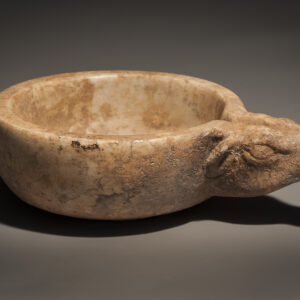
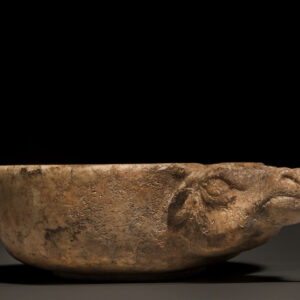
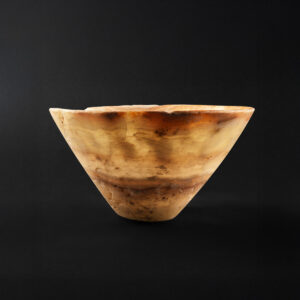
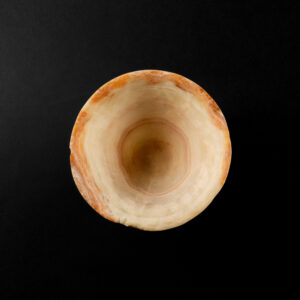
Banded Alabaster Bowl

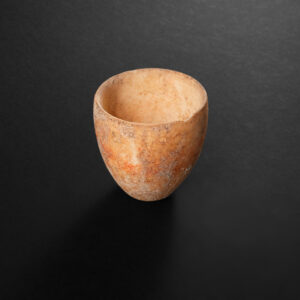
This elegant alabaster bowl exemplifies the artistry and craftsmanship of ancient Mesopotamian artisans. Crafted from fine, translucent alabaster, the bowl features a rounded, symmetrical form with a smooth, polished surface that showcases the natural beauty of the stone. Measuring approximately 12 cm in diameter and 7 cm in height, it is a compact yet finely detailed vessel.

The most striking feature of the bowl is its decorative banding, which encircles its exterior. These bands are composed of carved lines and geometric motifs, adding a sense of rhythm and harmony to the piece. The craftsmanship demonstrates a mastery of stone carving techniques, with precise incisions and smooth finishes that highlight the skilled artisanship of the period.

This vessel likely served both functional and ceremonial purposes, possibly used in ritual offerings or as a display piece in a noble or religious setting. Its durable alabaster material and sophisticated decoration reflect the high status of its owner and the cultural importance of craftsmanship in ancient Mesopotamian society.

REFERENCE #

SW-PR-1003

CIVILIZATION

Mesopotamian, 1200 B.C.E. – 800 B.C.E.

SIZE

L. 7cm

CONDITION

Fine condition

PRICE

$3500

PROVENANCE

The Baidun Collection

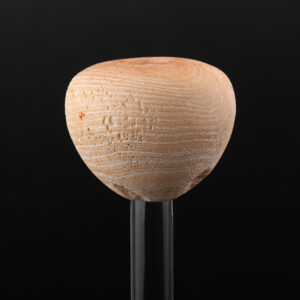
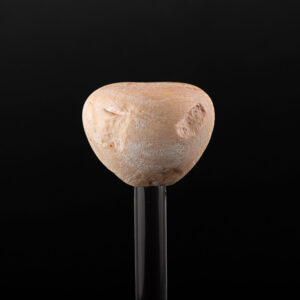
Banded Alabaster Egyptian Mace Head

Description

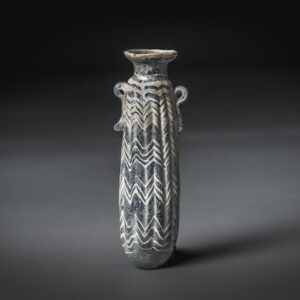
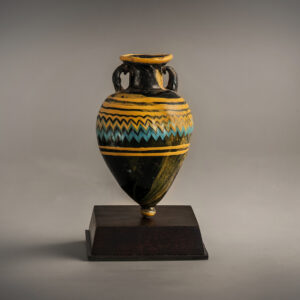
This commanding alabaster mace head exemplifies the artistry and technical skill of Egyptian stone‑workers of the Middle Bronze Age. Crafted from fine, dense alabaster, the piece presents a rounded, slightly pear‑shaped mass terminating in a short, tapering socket for hafting; its surfaces are smoothly finished to reveal the stone’s subtle veining and a soft, satin-like luster. Measuring approximately [dimensions available on request], it is a compact yet powerfully rendered implement.

The most striking feature of the mace head is its sculptural silhouette and the careful modulation of form between the striking face and the haft socket, which together create a balanced, purposeful object. The workmanship demonstrates mastery of stone‑shaping techniques, with precise contouring and evidence of controlled tool work around the socket and perimeter. Minor surface abrasions and faint impact marks may be present, consistent with functional use, while surviving tool marks are minimal and secondary to the overall polished presentation.

This object likely served both practical and symbolic roles: employed as a percussive weapon in conflict or as a status emblem and ceremonial object signaling authority and power. The selection of alabaster—a prized material—speaks to the prominence of its owner and the value attributed to finely
REFERENCE #

WP-PR-1002

CIVILIZATION

Egyptian, Circa 2100 B.C.E. – 1550 B.C.E.

Time Of Abraham

SIZE

L. 5cm

CONDITION

Fine condition

PRICE

$1850

PROVENANCE

The Baidun Collection

Sabaean Alabaster Relief

$4,000.00

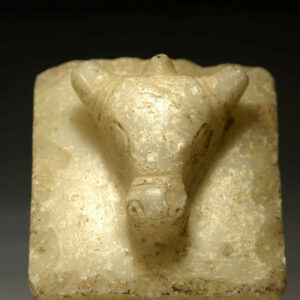
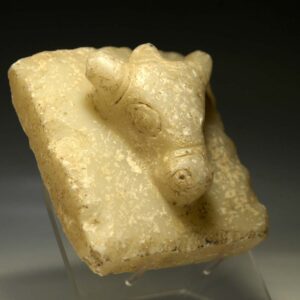
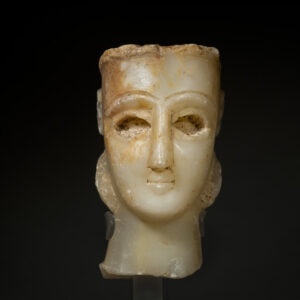
This expertly carved alabaster relief, dating from approximately 300–100 BCE, depicts the commanding head of a bull, exemplifying the high level of artistry achieved by Sabaean sculptors. The broad forehead and prominent, outward-curving horns are rendered with meticulous precision, capturing the animal’s majestic presence. Carved with subtle incisions, the detailed facial features include expressive eyes that convey a sense of calm strength, along with alert ears that subtly indicate the bull’s awareness. The animal’s facial contours are skillfully emphasized, contrasting with the smooth, polished alabaster surface of the rectangular block.

The relief reflects the cultural reverence for bulls within Sabaean society, where such figures symbolized fertility, power, and divine authority. The preservation of fine detail and polished finish underscores its significance as both a religious and artistic object. This piece offers valuable insight into the spiritual and artistic traditions of the Sabaean civilization, standing as a striking testament to their craftsmanship and symbolic imagery.

REFERENCE #

SI_SA_1003

CIVILIZATION

Sabaean, 300 B.C.E. – 100 B.C.E.

SIZE

L. 11cm, W. 10cm

CONDITION

Some natural weathering, Fine condition

PRICE

$4000

PROVENANCE

The Baidun Collection. Purchased from the Jerusalem Local Market, 1980’s.

Statuette of an Idol

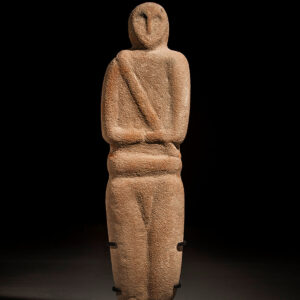
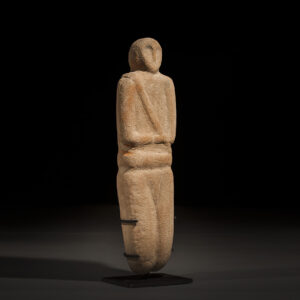
Pink statuette of Sabaean idol with stylized representation for the eyes and nose set on an oval face. Rectangular body is marked by diagonal sash running along torso. Arms are folded at right angles from the shoulders, set above belted waist and smooth legs.

REFERENCE #

SI_SA_1015

CIVILIZATION

Sabaean, 3000 B.C.E. – 2000 B.C.E.

SIZE

H. 39 cm

CONDITION

Fine condition

PRICE

Sold

PROVENANCE

Former Swiss private collection, acquired ca. 1980.

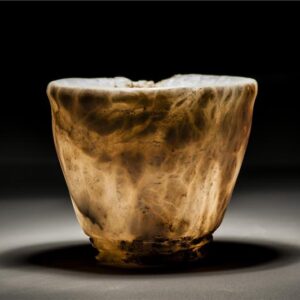
Translucent Alabaster Cup

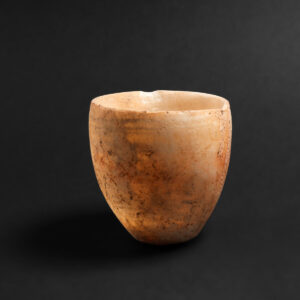
Alabaster cup from the Israelite kingdom period, dating to the time of King David, circa 1200–800 BC. This vessel has been carefully fashioned from fine, translucent alabaster, which remains in perfect condition, emphasizing the skill of its ancient maker. The cup measures approximately 6 cm in height and features a simple, elegant form with a rounded bowl and a narrow, slightly flared lip.

The use of alabaster, a soft stone prized for its translucence and smooth finish, suggests the object was valued and possibly used in ceremonial contexts. Both the interior and exterior surfaces have been polished to a glossy, refined texture, with no visible signs of damage or deterioration. Its translucent quality would have enhanced its visual appeal when held in light, creating a delicate play of shadow and glow.

Discovered in the Judean hills, this cup is linked to the material culture of early Israelite society during the Iron Age. Its form and material imply it may have played a role in rituals or religious offerings typical of the period, serving both practical and symbolic functions within domestic or religious settings. Objects of this nature are rare, providing valuable insight into the craftsmanship and spiritual practices of the ancient Israelites during the era of King David.

REFERENCE #

SW-CN-1019

CIVILIZATION

Mesopotamian, 1200 B.C.E. – 800 B.C.E.

SIZE

L. 6cm

CONDITION

Fine condition

PRICE

$1998

PROVENANCE

The Baidun Collection